Mobile Phone Holders have become small but important tools in a phone-centered world. IDC reported approximately 1.23 billion smartphones shipped globally in 2024. Ericsson’s Mobility Report also counted about 6.9 billion smartphone subscriptions in 2023. Those numbers reveal a simple reality: people carry phones everywhere, but carrying is not the same as using them safely or comfortably.
A suitable holder should keep the screen visible without blocking buttons, cameras, or charging ports. It should also remain stable on a rough dashboard, a narrow desk, or a bicycle handlebar. Don Norman, a leading human-centered design expert, wrote, “Good design is actually a lot harder to notice than poor design.” His principle fits Mobile Phone Holders perfectly. The best model quietly holds the device, adjusts easily, and disappears from attention. That sounds simple. It is not always simple.
This guide, “10 Tips for Choosing Mobile Phone Holders,” considers grip strength, viewing angles, materials, installation, compatibility, and daily convenience. It also uses practical evidence from product specifications and independent testing guidance. Grand View Research reports continued growth across the global mobile accessories market, but its broad category does not measure every holder equally. That limitation matters. A popular product is not automatically a reliable one. I have also found that magnetic mounts can feel convenient, yet they may require a compatible case or plate. Sometimes the smallest detail, such as a loose joint or weak adhesive, decides the entire experience.
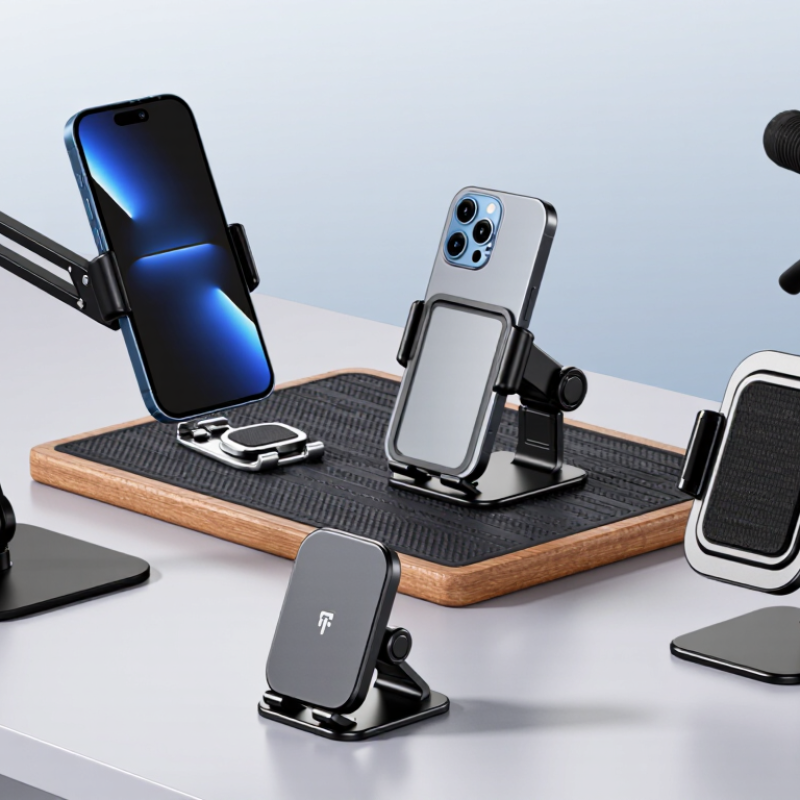
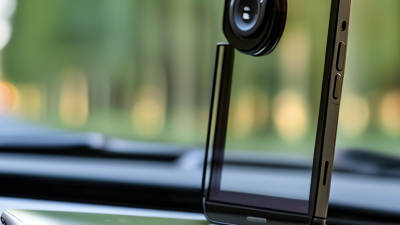
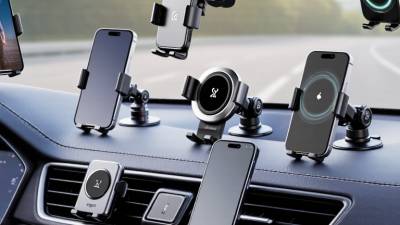
Choosing a mobile phone holder starts with where you use it. A dashboard mount suits navigation when it stays below your sightline. A windshield mount offers a wider viewing angle, but it must not block your view. Check local traffic rules before installing one. Do not block mirrors, controls, or airbags. Vent mounts are compact and easy to reposition. However, heavy phones may strain some vents. That small weakness matters.
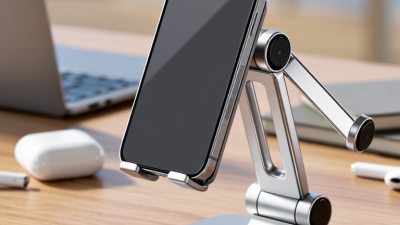
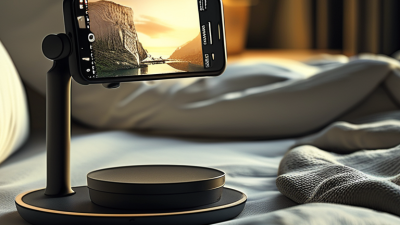
For desks, a weighted stand works well during video calls, reading, or charging. An adjustable holder helps you change height and viewing angle. Foldable models fit neatly into a work bag. At home, a bedside stand can keep the screen visible without holding it. Magnetic holders feel quick and tidy. They require a suitable phone case or attachment, though. Thick cases can weaken the connection. I have learned this after a phone slipped onto a wooden desk.
Bike and motorcycle holders need stronger grips and vibration control. Choose a locking mechanism for uneven roads. Water-resistant materials help during light rain, but they are not always waterproof. Measure your phone with its case attached. Fit matters more than appearance. Check whether the holder allows charging without bending the cable. Test the release button with one hand, but never adjust the phone while moving. I once chose a stylish mount with a weak clamp. It looked good, yet it failed the practical test.