China Top 10 Car Holder Suppliers Which Should You Choose?

Choosing the right Car Holder supplier in China involves more than comparing catalog prices. A reliable supplier must combine stable manufacturing, thoughtful design, material safety, and responsive communication. Small details matter. A loose clamp, weak magnet, or brittle vent hook can turn a convenient accessory into a daily frustration.

Dr. David Strayer, a respected human-factors and automotive distraction researcher, said, “The human brain is not capable of doing two things at once.” His warning matters here. A well-designed Car Holder should keep the phone visible without blocking the driver’s view or encouraging unsafe handling. It should support steady navigation, not create another distraction.

This guide reviews ten leading China Car Holder suppliers through practical sourcing criteria. These include production experience, quality-control systems, mounting strength, device compatibility, customization options, packaging, and after-sales support. Factory audits, sample testing, and clear communication should guide every decision. A polished website is not enough.

No supplier is perfect. Even an experienced manufacturer may have inconsistent batches or delayed responses during busy seasons. That reality deserves attention. Buyers should test holders on rough roads, inspect plastic joints, and check whether the adhesive remains stable after heat exposure. Cost also needs careful interpretation. The cheapest quotation may hide weaker materials, limited warranty support, or high defect rates.

The best choice depends on your market, vehicle types, order volume, and quality expectations. This comparison offers a practical starting point, not an unquestionable verdict. A careful supplier can become a long-term partner. A rushed choice may become an expensive lesson.
China Top 10 Car Holder Suppliers Which Should You Choose?

What Are Car Holders and Why Do Supplier Choices Matter?

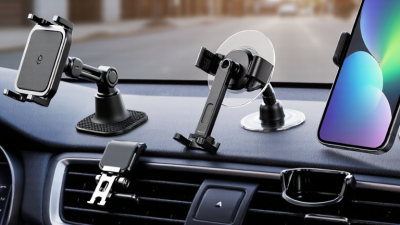
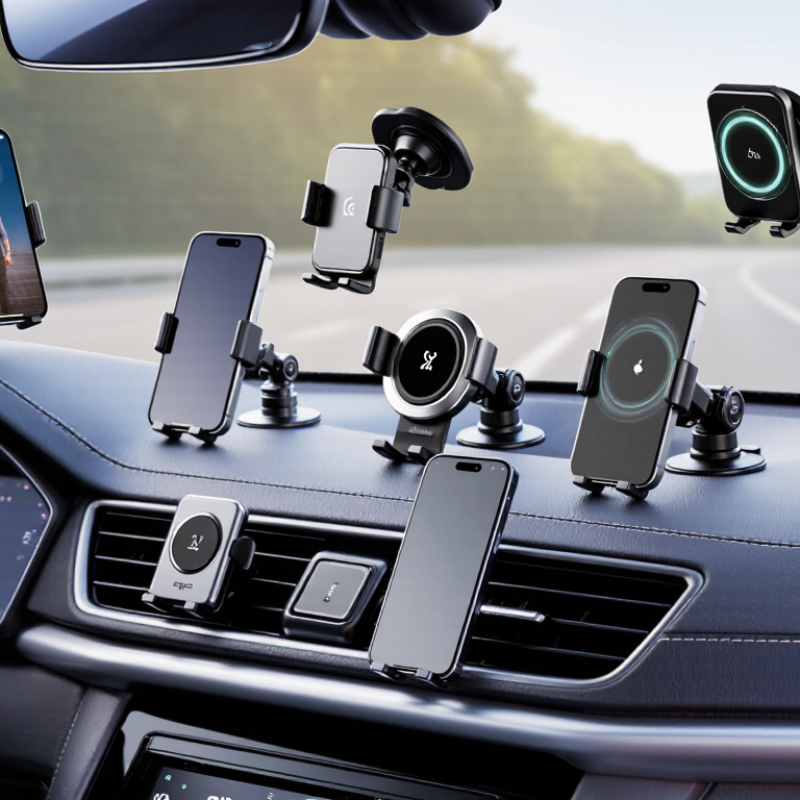
A car holder is a small device that keeps a phone, tablet, or navigation screen within view during travel. Common designs attach to the dashboard, windshield, air vent, or cup holder. Its value depends on more than appearance. A weak grip can let a phone fall over a rough road. Poor placement can also block visibility or interfere with vehicle controls.

Supplier choice matters because production quality is often hidden inside simple parts. Reliable suppliers should explain their materials, load testing, temperature resistance, and attachment methods. They should provide clear samples and consistent measurements. During practical checks, I look for stable joints, smooth adjustment, and a release button that works with one hand. Small details matter. A loose hinge rarely improves with use.

A supplier’s technical files, factory inspection process, and response speed also deserve attention. Clear communication helps prevent incorrect molds, weak adhesive pads, and unsuitable phone dimensions. Certification documents may support buyer confidence, but they should be verified rather than accepted blindly. Price still matters, especially for large orders, yet the cheapest option can create higher return rates and customer complaints. I have seen attractive samples perform differently in repeated testing. That is a useful warning. Choosing among China’s top suppliers should therefore involve samples, measurable standards, production audits, and honest discussion about weaknesses. A polished catalog is not enough.

Key Criteria for Evaluating Chinese Car Holder Suppliers

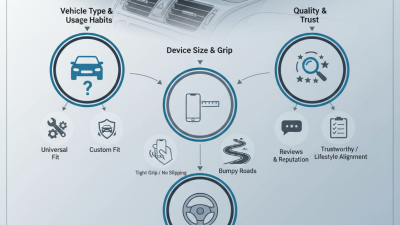
Choosing among China’s top car holder suppliers requires more than comparing catalog prices. Begin with product fit, material quality, and manufacturing consistency. A reliable holder should maintain grip on rough roads, high temperatures, and repeated adjustments. Request samples before placing a large order. Check the plastic edges, locking joints, suction pad, and charging cable clearance. Small flaws often appear after several days of use.

Supplier experience matters, but documented performance matters more. Ask how long the factory has produced vehicle accessories and which markets it serves. Review quality control records, inspection procedures, and traceability for each batch. Useful tests include vibration resistance, load capacity, heat exposure, and repeated installation. Confirm whether the supplier can provide accurate product drawings, packaging details, and safety documentation. Communication speed is also practical evidence. Slow replies may become costly during production changes.

Commercial terms deserve equal attention. Compare minimum order quantities, sample fees, lead times, payment conditions, and replacement policies. Clarify who handles defects and how quickly corrective action begins. A factory may offer an attractive quote, yet use thinner materials or weaker adhesives. I have seen polished samples hide inconsistent bulk production. That is why a pre-shipment inspection remains worthwhile, even when trust feels established. No supplier scores perfectly. Record each weakness, then decide which risks your market can realistically accept.

Profiles of China’s Top 10 Car Holder Suppliers

China’s Top 10 Car Holder Suppliers: Supplier Profiles

The first supplier profile represents a large factory producing dashboard, windshield, and air-vent holders. Its strength is automated molding, stable output, and documented quality checks.

The second focuses on magnetic holders, using tested magnets and reinforced plastic housings.

The third supplies adjustable tablet and phone mounts for commercial vehicles. It offers stronger joints and wider viewing angles.

A fourth supplier specializes in compact holders for rental fleets, where quick installation matters.

The fifth combines injection molding with silicone padding, helping reduce scratches on textured dashboards.

A sixth profile covers a supplier with in-house tooling capabilities. This can shorten design changes, although mold costs require careful negotiation.

The seventh serves private-label buyers with packaging, color, and logo customization. Its samples should be checked before bulk approval.

The eighth develops wireless charging holders and claims efficient heat management. Independent testing remains advisable.

The ninth focuses on heavy-duty mounts for trucks and vans, using metal reinforcement around the clamp.

The tenth supplies budget-friendly universal holders for wholesalers. Its pricing is attractive, but some hinges may feel less durable after repeated adjustment.

Experienced buyers should request material specifications, load tests, factory audit records, and sample photographs.

Ask how suppliers inspect suction strength, locking mechanisms, vibration resistance, and charging performance. A reliable factory should explain production steps clearly and disclose limitations.

I would not judge quality from appearance alone. One polished sample can hide inconsistent batches.

Delivery history, replacement procedures, and communication speed also deserve attention before selecting a long-term supplier.

Comparing Product Quality, Pricing, Certifications, and Services

Choosing among China’s top car holder suppliers requires more than comparing catalog prices. Grand View Research valued the global automotive accessories market at about USD 522.7 billion in 2023, with continued growth expected through 2030. This expansion attracts capable factories, but also inexperienced sellers. Product quality should begin with material checks. Look for heat-resistant ABS, stable silicone pads, reinforced joints, and cycle testing for repeated clamping. A holder should remain firm on rough roads, not only on a showroom dashboard.

Pricing needs a landed-cost comparison. Include tooling, packaging, minimum order quantity, inspection, shipping, and replacement rates. A low quotation can look clever. It may not be a bargain. Suppliers with ISO 9001 systems usually provide clearer process records, while IATF 16949 experience can indicate stronger automotive-quality controls. Request current certificates, laboratory reports, and batch samples. SGS’s 2024 consumer-products testing guidance emphasizes traceability and documented verification, rather than supplier claims alone. Certification without scope checking is a common mistake.

Service quality often separates similar factories. Ask about sample turnaround, engineering changes, spare parts, and response times after delivery. A useful supplier should provide drawings, load-test results, and a realistic production schedule. The 2024 DHL Global Connectedness data highlights how supply-chain visibility supports more reliable international fulfillment. Still, reports cannot replace practical testing. Mount samples in hot and cold conditions, then check vibration, residue, and phone release strength. Some evaluations are too gentle. That is worth reconsidering.

How to Choose the Right Supplier for Your Market Needs

Choosing among China’s top car holder suppliers starts with your market, not a ranking table. OICA recorded 93.5 million motor vehicles produced worldwide in 2023. This scale creates many sourcing options, but product fit still varies sharply. A supplier for compact city cars may not suit large SUVs, hot climates, or rough roads.

Define the real use case. Check vent, dashboard, windshield, and cup-holder compatibility. Request samples for at least three phone sizes. Test grip strength, vibration resistance, heat exposure, and one-handed operation. In supplier audits, examine material specifications, inspection records, traceability, and corrective-action reports. ISO 9001 certification helps, but it does not replace product testing. Ask for recent batch data.

Your sales channel also matters. Online retail may need attractive packaging and low minimum order quantities. Distributors may prioritize stable lead times, carton efficiency, and replacement support. S&P Global Mobility reported that the average age of vehicles in the United States reached 12.6 years in 2024. Older vehicles often have weaker vents and different interior surfaces, so universal claims deserve careful testing. Do not trust a perfect sample alone. One uncomfortable lesson: suppliers may pass a laboratory check yet struggle with inconsistent assembly. Compare three production batches, not just three samples. Confirm warranty handling, communication speed, and pre-shipment inspection terms before placing a larger order.