Why Use a Phone Holder for Car?
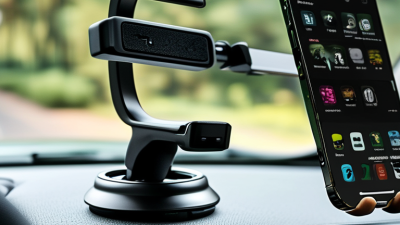
A Phone Holder For Car is more than a small interior accessory. It can place navigation instructions near your natural line of sight. That matters when a sudden turn appears on a busy urban road. A secure mount may also reduce fumbling, loose cables, and last-second glances toward a seat or cup holder.
Dr. David Strayer, a respected human-factors researcher, has emphasized, “Anything that takes your eyes off the road is a distraction.” His observation explains the holder’s real purpose. It should support safer preparation, not encourage constant phone interaction. Set the route before moving, keep notifications silent, and stop safely when a message requires attention. The best position depends on the vehicle, driver height, and dashboard design. A mount that works perfectly in one car may block an air vent, instrument display, or windshield view in another.
Small details matter. Check whether the clamp grips firmly over speed bumps. Test the screen in bright sunlight. Make sure the holder does not interfere with airbags or essential controls. Avoid placing it where it becomes a hard object near a passenger during sudden braking. These checks reflect practical experience, though they are easy to overlook.
No holder removes driving risk. That is the uncomfortable truth. A poorly positioned Phone Holder For Car can create another distraction instead of solving one. Choose stable construction, adjustable viewing angles, and a location that keeps attention forward. Use the device only when conditions allow, and follow applicable local driving requirements. A thoughtful setup will not make driving perfect, but it can make everyday navigation calmer, clearer, and less improvised.
How Phone Holders Address Distraction: NHTSA Recorded 3,522 Deaths in 2021
Why Use a Phone Holder for Car?
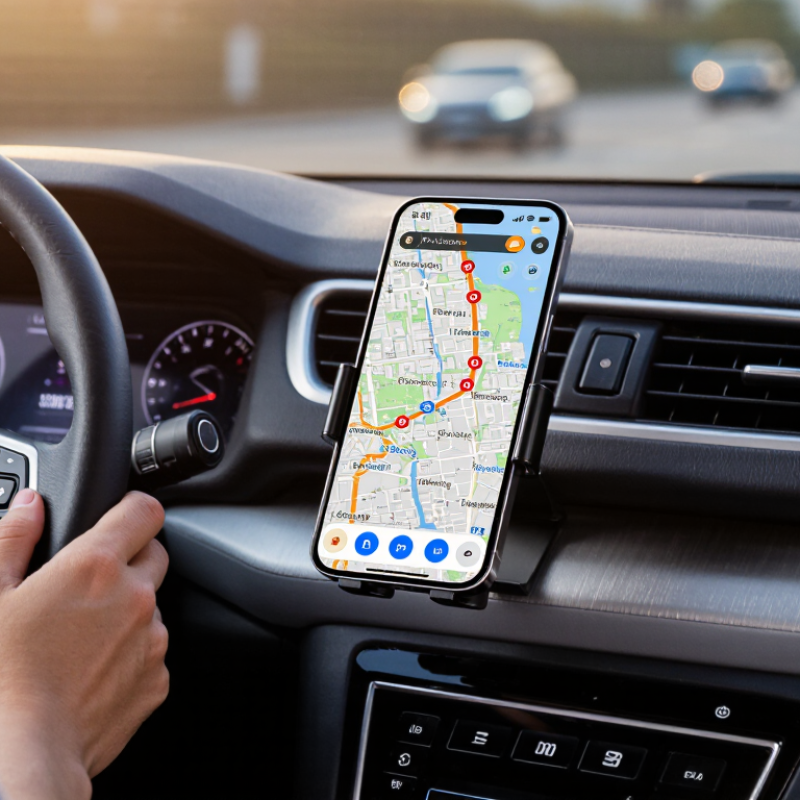
A phone holder can keep navigation visible without forcing drivers to search across a seat or dashboard. Placement matters. A stable mount near the driver’s natural line of sight may reduce unnecessary reaching, twisting, and extended glances. However, it cannot remove distraction. NHTSA recorded 3,522 deaths and 362,415 injuries in distraction-affected crashes during 2021, according to its Traffic Safety Facts report. Those figures make a simple holder feel less like a convenience and more like a risk-control tool.
Still, the tool has limits. NHTSA explains that distracted driving includes visual, manual, and cognitive distraction. Looking at a screen, touching it, or thinking through a message can compete with driving attention. A holder may support safer navigation when the route is set before moving and voice guidance is used. Keep the screen outside airbag deployment areas and avoid blocking mirrors or road visibility. Follow local traffic rules.
I have noticed an uncomfortable truth: a well-placed phone can still tempt frequent checking. That weakness matters. Drivers should silence nonessential alerts, pull over for complicated changes, and avoid handling the device in traffic. The Insurance Institute for Highway Safety also identifies cellphone use as a serious source of driver distraction. A holder helps only when it supports disciplined behavior. Otherwise, it simply makes distraction easier to see.
Why Use a Phone Holder for Car? - How Phone Holders Address Distraction: NHTSA Recorded 3,522 Deaths in 2021
| Data dimension |
Verified data or fact |
How a phone holder can help |
Safety note |
| Distracted-driving fatalities |
3,522 people were killed in distraction-affected motor vehicle crashes in the United States in 2021. |
Keeps the phone in a stable, visible location instead of encouraging drivers to hold or search for it. |
A holder does not remove the risk of distracted driving. |
| Fatalities in 2020 |
3,142 people were killed in distraction-affected motor vehicle crashes in the United States in 2020. |
Supports a consistent phone position for navigation setup before driving. |
Historical totals do not prove that a phone holder causes a reduction in crashes. |
| Fatalities in 2019 |
3,008 people were killed in distraction-affected motor vehicle crashes in the United States in 2019. |
May reduce the need to look down toward a seat, cup holder, or lap when checking a route. |
Drivers should set navigation and audio controls before moving. |
| Visual distraction |
Looking at a phone takes the driver’s eyes away from the roadway. |
Places the screen closer to the driver’s forward line of sight than a loose phone may be. |
The safest practice is to avoid looking at the screen while the vehicle is moving. |
| Manual distraction |
Holding, reaching for, or typing on a phone removes one or both hands from driving tasks. |
Allows the phone to remain mounted rather than hand-held during necessary, permitted use. |
Hands-free equipment does not make texting or complex interaction safe. |
| Cognitive distraction |
Thinking about a conversation, message, or navigation task can reduce attention to driving. |
Can support voice guidance and reduce the temptation to pick up the phone. |
A driver may still be mentally distracted even when the phone is mounted. |
| Recommended setup |
The phone should be secured before driving and positioned so it does not block the driver’s view. |
A properly positioned holder improves stability and keeps the dashboard area organized. |
Follow local laws and keep the windshield, mirrors, and roadway unobstructed. |
| Safest operating practice |
Drivers should avoid phone use while driving and pull over in a safe location when manual interaction is necessary. |
Provides a safer place to store the phone until the vehicle is parked. |
A phone holder is a positioning tool, not a substitute for attentive driving. |
Source: National Highway Traffic Safety Administration (NHTSA), “Distracted Driving in 2021” and “Traffic Safety Facts: Distracted Driving.” Fatality figures refer to people killed in distraction-affected motor vehicle crashes in the United States.
Why Mounting Matters: Texting at 55 mph Covers a Football Field, NHTSA
Why Use a Phone Holder for Car?
At 55 mph, a moving car travels about 80 feet each second. NHTSA warns that texting can take your eyes away long enough to cross a football field. That distance includes road markings, cyclists, stopped traffic, and sudden hazards. A phone holder places the screen near your natural line of sight, so checking navigation requires less head movement. It does not remove distraction. It only reduces unnecessary searching and handling.
A stable mount also keeps the phone from sliding under a seat or dropping beside the pedals. That small detail matters. Reaching down for a fallen phone can turn a brief problem into several seconds of blind driving. Traffic safety guidance consistently recommends setting navigation before moving and using voice controls when available. Hands-free does not always mean mind-free. A complicated route can still demand too much attention.
Choose a holder that stays firm on uneven roads and does not block the windshield, gauges, or mirrors. Test its position while parked. The screen should be readable without leaning forward, but not large enough to invite constant glances. I have found this balance easy to misjudge. A convenient mount may encourage unnecessary checking. The safer habit is simple: start the route, secure the phone, and wait until parked before changing anything. A phone holder supports that habit, but the driver remains responsible for attention.
Phone Holder Types Compared: Dash, Vent, Windshield, and Cup-Holder Mounts
Why Use a Phone Holder for Car?
Phone Holder Types Compared: Dash, Vent, Windshield, and Cup-Holder Mounts
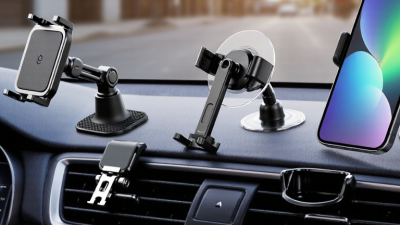
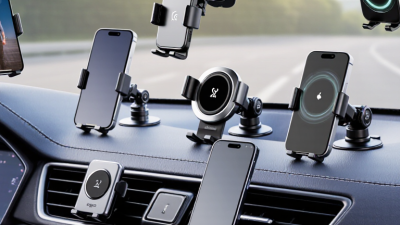
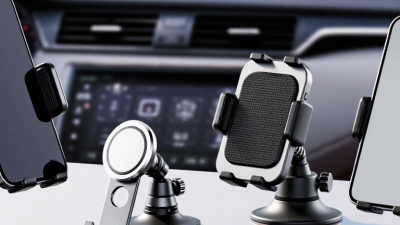
A car phone holder keeps navigation visible without forcing drivers to search across a seat. In my experience, stability matters more than appearance. Dash mounts offer a steady viewing angle and usually suit flat, textured surfaces. Vent mounts are compact, but heavy phones may weaken airflow fins. Windshield mounts provide excellent visibility, although they can create glare or block part of the road view. Cup-holder mounts leave the dashboard clear and feel secure on rough roads, but they sit lower than expected. That lower position can require more eye movement. It is easy to overlook.
Tips: Test the holder while parked. Adjust the screen before driving. Keep controls, mirrors, and airbags unobstructed. A flexible joint helps with glare, but too much movement becomes distracting. Clean the mounting surface first. Dust can cause a reliable-looking holder to loosen later.
The best choice depends on the vehicle interior and driving habits. A vent mount may suit short trips and lighter devices. A dash mount works better for frequent navigation. Windshield models need careful placement, especially in smaller cars. Cup-holder designs are useful when the dashboard has unusual curves or limited space. Check the locking mechanism regularly. Even a well-designed holder can shift after repeated heat exposure. I once assumed a tight fit meant lasting security; it did not. Reliable use requires occasional inspection, not blind confidence.
Why Use a Phone Holder for Car?
Phone holders improve hands-free navigation and keep a device visible while driving. The best mount depends on stability, accessibility, visibility, and compatibility with the vehicle interior.
This comparison uses generalized practical ratings from 1 to 5 based on common characteristics of each mount type. Dashboard mounts typically offer a good balance, vent mounts are compact but may affect airflow, windshield mounts provide excellent visibility but can obstruct the view, and cup-holder mounts offer strong stability with a lower viewing position.
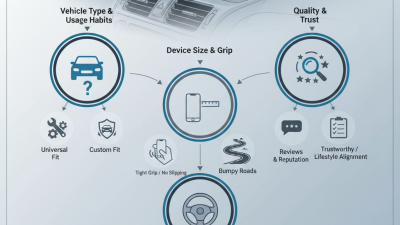
Choosing Safely: Check Fit, Stability, Visibility, and Local Laws
A phone holder can keep navigation visible without forcing a driver to search across a seat. However, a holder is not a cure for distraction. NHTSA’s 2022 Traffic Safety Facts report recorded 3,308 deaths in distraction-affected crashes in the United States. The World Health Organization’s Global Status Report on Road Safety 2023 also estimates 1.19 million annual road deaths worldwide. These figures make basic installation choices matter.
Check fit before driving. The clamp should grip the phone firmly, even over a protective case. Test it on a rough road and during a sharp turn. A loose mount can drop suddenly. That moment is distracting.
Choose a position that does not block the windshield, mirrors, instrument panel, or airbags. Keep the screen near eye level, but outside the driver’s main forward view. It should support quick glances, not constant watching.
Stability matters most.
Try a gentle push test. The mount should not wobble or twist. Avoid placing it where sunlight creates glare. Also check charging cables, because a dangling lead can interfere with controls. Local laws may restrict handheld use, screen interaction, or mounting locations. Rules differ by country, state, and city, so verify current requirements through an official transport authority. Even hands-free functions can demand mental attention; research from the AAA Foundation reported that some cognitive effects may continue after a task ends. I sometimes prefer a slightly less convenient position if it improves visibility. That trade-off deserves honest review.