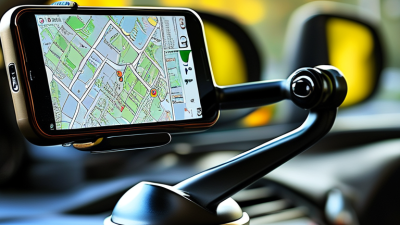
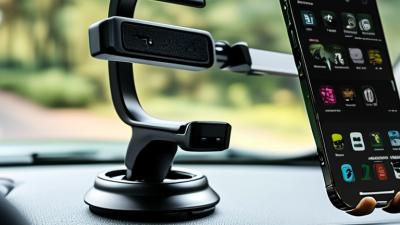
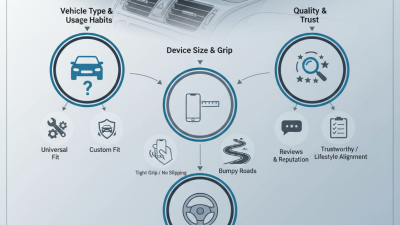
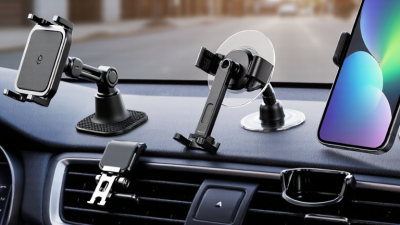
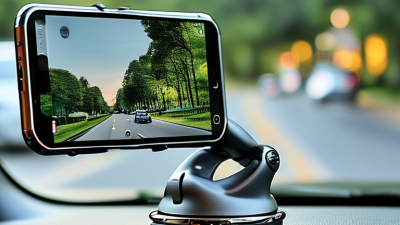
Choosing the right Car Holder can feel simple until real driving conditions expose its weaknesses. A mount that holds firmly on a smooth city road may shake on gravel, loosen in summer heat, or block essential controls. Global buyers must look beyond appearance and compare fit, materials, installation, and daily usability.
Dr. Elena Marquez, an automotive accessory engineer, says, “A reliable holder should disappear during driving, not become another problem to manage.” That practical test matters. The holder should keep a phone stable through turns, sudden braking, and uneven surfaces. It should also match the vehicle’s dashboard texture, air-vent design, and available space. Small details matter here. A wide clamp may protect a large phone, but it can cover buttons or interfere with a charging cable.
This guide, “7 Car Holder Buying Tips for Global Buyers,” examines the choices that often get overlooked. We will consider suction mounts, dashboard bases, vent clips, magnetic systems, and adjustable arms. We will also discuss phone compatibility, vibration control, viewing angles, heat exposure, and installation quality. Some products look strong in photographs but feel loose after repeated adjustment. That is an honest weakness worth noticing.
No single Car Holder suits every driver, vehicle, or climate. A compact vent mount may work well in a cool urban car, while a reinforced dashboard mount may perform better on rough roads. Buyers should check product specifications carefully and avoid trusting impressive wording alone. The best decision is rarely the most expensive one. It is the holder that remains secure, accessible, and unobtrusive every day.
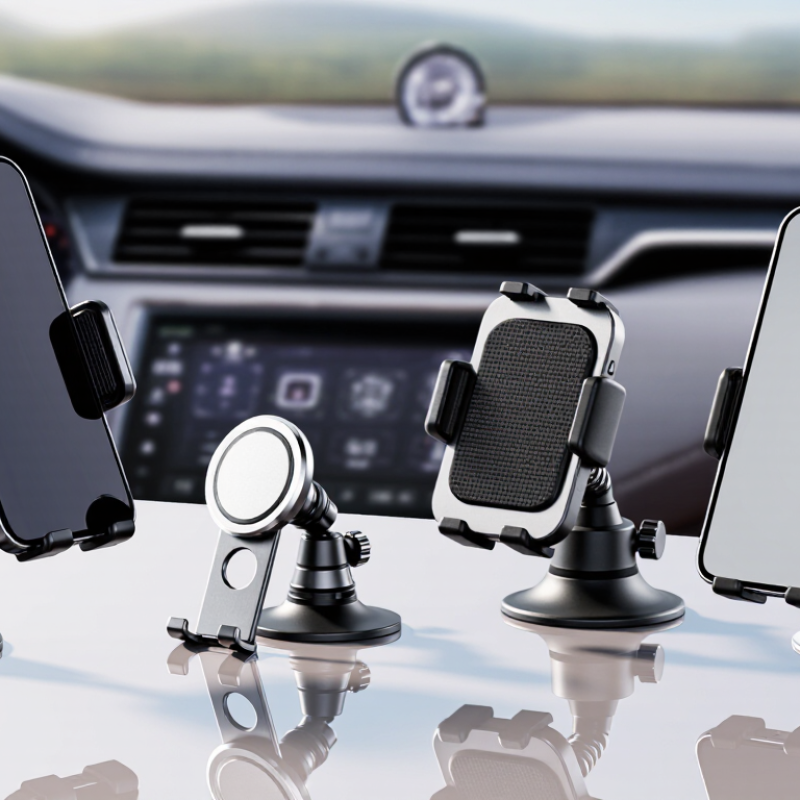
For global buyers, define the job before comparing materials or mounting styles. Navigation only? Hands-free calls? Or frequent charging during long commutes? Pew Research Center reported that 91% of U.S. adults owned a smartphone in 2024. That makes device fit a practical starting point, not a minor detail. Measure your phone with its case attached. Check its weight, camera position, and charging-port access. A holder that grips the bare phone may fail with a rugged case.
Vehicle compatibility needs equal attention. S&P Global Mobility reported that the average age of U.S. light vehicles reached 12.6 years in 2024. Older cars may have narrow vents, textured dashboards, or limited electronic interfaces. Test the vent slat thickness and direction before ordering. For suction mounts, inspect the dashboard curve and surface texture. Adhesive mounts need clean, dry surfaces and stable cabin temperatures. One uncomfortable truth: “universal” rarely means perfect. A holder can fit the car but block climate controls, obscure a small display, or loosen on rough roads. Check left- or right-hand-drive visibility, especially when the steering wheel sits close to the center console. Leave room for one-handed removal. It sounds obvious, yet buyers often notice it too late. My first assumption would be wrong if I ignored the case, cable angle, and road vibration.
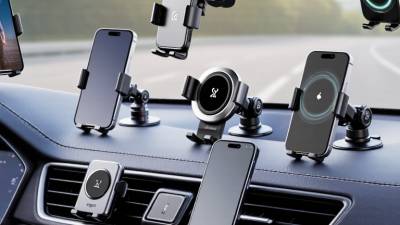
Choosing a car holder starts with the driving situation, not the phone model. NHTSA’s 2023 Traffic Safety Facts recorded 3,275 deaths in distraction-affected crashes in the United States. Its guidance supports placing devices where drivers can see them without blocking the road. A windshield suction mount offers flexible positioning and quick removal. However, heat, dust, and textured glass can weaken its grip. Test it before a long journey.
Dashboard adhesive mounts sit lower and feel stable on clean, smooth surfaces. They suit daily commuting and uneven city roads. Removal may leave residue, though, and some dashboards reject adhesive. Vent clips are compact and affordable. They work well in moderate climates. Heavy phones can tilt vents or reduce airflow. Cup-holder mounts fit rental cars and vehicles with limited flat space. Their lower position may require longer glances. That is an easy detail to overlook.
CD-slot mounts can stay firm in older vehicles, but they occupy the slot permanently. Magnetic holders allow fast one-handed placement, yet they need correct plate alignment and may interfere with some wireless charging setups. The WHO Global Status Report on Road Safety 2023 estimates 1.19 million road deaths globally each year. That figure makes unobstructed visibility more than a comfort feature. A practical check is simple: sit normally, attach the phone, and confirm the mount does not hide signs, mirrors, or instrument warnings. I would also retest after a hot afternoon. Mounts can behave differently than they do in a showroom.
7 Car Holder Buying Tips for Global Buyers
Material quality should guide your first inspection. Look for reinforced ABS or polycarbonate bodies, metal support arms, and soft silicone contact pads. Brittle plastic may crack after repeated heat exposure. In practical fit checks, smooth edges prevent scratches around a phone’s frame. The U.S. NHTSA reported 3,308 deaths from distracted-driving crashes in 2022. A dependable holder keeps the device visible without encouraging hand use.
Tip 1: Test stability before judging appearance. A strong mount should resist braking, cornering, and uneven road vibration. Check the locking mechanism with one hand, then apply moderate pressure from several directions. A heavier holder may feel stronger, but that assumption is not always correct. Vent mounts can restrict airflow, while suction mounts may lose grip on dusty or textured surfaces. SAE J1455 testing principles can help buyers consider vibration and temperature exposure, even when manufacturers provide limited test details.
Tip 2: Check device protection carefully. Silicone pads should hold the phone firmly without pressing buttons. The clamp should leave room for a case, charging cable, and camera module. Avoid designs that cover sensors or interfere with airbags. The European New Car Assessment Programme emphasizes clear driver visibility and safe interior design, which supports careful mounting positions. No holder is perfect. Recheck the fit after several drives, especially in hot climates. A small movement today can become a serious distraction tomorrow.
Suggested evaluation weighting for comparing car holders: prioritize material quality, stability, and device protection, while also checking fit, installation, and long-term usability.
The percentages represent a practical buying framework rather than brand or company performance data. Buyers should verify compatibility with their vehicle, phone size, case thickness, and mounting location.
A reliable car holder should fit your vehicle, phone, and daily driving habits. Installation is the first practical test. Check whether your dashboard, air vent, or windshield can support the chosen mounting method. Clean, flat surfaces usually provide better adhesion. In hot climates, adhesive pads may soften, while cold weather can reduce their grip. I once trusted a smooth-looking dashboard and discovered fine dust caused early movement. Small details matter. The holder should not block road signs, mirrors, or essential controls.
Tip: Install it while parked, then test it on uneven roads. A secure mount should remain stable without excessive vibration. Avoid placing the phone where an airbag may deploy. This point is easy to overlook, especially in compact vehicles.
Adjustability affects daily usability more than appearance. Look for a rotating joint, a useful viewing angle, and arms that fit your phone case. One-handed operation sounds convenient, but stiff clamps can become frustrating during repeated use. Try inserting the phone several times before buying. Wireless charging models also need accurate alignment, though thick cases may interfere. The perfect angle may change when sunlight shifts. That is normal, and worth reconsidering.
Tip: Choose controls you can operate by touch, not by searching. A holder that works well in a showroom may feel awkward after a week. Consider dust, heat, road vibration, and frequent removal before making the final decision.
7 Car Holder Buying Tips for Global Buyers
Global buyers should check standards before comparing prices. A holder must survive vibration, heat, dust, and repeated adjustment. ISO 16750 provides useful automotive environmental testing guidance. For powered holders, electromagnetic compatibility also matters. UNECE Regulation No. 10 is a practical reference for electrical products used near vehicles. Certification claims need evidence, not attractive wording. Ask for test reports, laboratory details, and model numbers.
Tip: Request samples from two production batches. Test suction pads on glass, textured dashboards, and cold surfaces. Small differences appear quickly. I learned this the hard way.
Pricing requires more than the unit quote. Include tooling, packaging, inspection, customs, payment fees, and replacement parts. Freight can change sharply. UNCTAD’s Review of Maritime Transport 2023 states that more than 80% of global merchandise trade by volume travels by sea. Check current freight indicators, such as the Freightos Baltic Index, before accepting fixed shipping terms. Confirm whether the quote uses EXW, FOB, CIF, or DDP terms.
Tip: Compare landed cost, not factory price. A cheaper holder may need stronger cartons and extra inspection. That calculation is easy to overlook.
Warranty terms should define coverage, response time, and proof requirements. Request a written defect rate target and spare-part policy. A twelve-month warranty sounds useful, but exclusions may be broad. Clarify whether broken clips, adhesive failure, charging faults, and transit damage are included. Keep records of batch numbers and delivery photos. Reliability is built through documentation, although paperwork alone cannot replace testing.
| No. | Buying Dimension | What to Check | Practical Reference | Recommended Buyer Action |
|---|---|---|---|---|
| 1 | Mounting Type and Vehicle Fit | Compare dashboard, windshield, air-vent, CD-slot, headrest, and cup-holder installation methods. Check whether the mount interferes with airbags, controls, visibility, or ventilation. | Universal fit is not guaranteed Airbag clearance required Adjustable viewing angle preferred | Request fit information for the target vehicle categories and confirm that the installation position does not block the driver’s field of view or safety equipment. |
| 2 | Phone Size, Weight, and Retention | Measure the phone width and thickness with its protective case. Evaluate clamp range, locking force, release mechanism, vibration resistance, and one-hand operation. | Typical phone width range: about 55–85 mm Case compatibility must be verified No excessive pressure on buttons | Use a sample phone with its actual case during testing. Check the holder on smooth roads, rough roads, turns, and sudden braking conditions. |
| 3 | Material and Heat Resistance | Inspect the main body, clamps, suction pad, adhesive, springs, and joints. Heat exposure can reduce adhesive performance and deform lower-grade plastics. | Automotive interiors can become very hot when parked UV-resistant materials are preferable Metal joints may improve durability | Ask for material specifications, temperature testing, UV-aging information, and repeated installation testing. Avoid products with brittle plastic or a strong chemical odor. |
| 4 | Global Standards and Compliance | Check whether the product contains electrical functions such as wireless charging, USB charging, or lighting. A passive holder normally has fewer regulatory requirements than a powered accessory. | UNECE R10 may be relevant to vehicle-related electronic equipment EMC and radio requirements may apply to powered or wireless models RoHS and REACH declarations may be requested | Ask for applicable test reports, declarations of conformity, material declarations, and user-safety instructions. Do not treat a general “CE” statement as proof of every required test. |
| 5 | Pricing and Total Landed Cost | Compare the product price together with packaging, tooling, inspection, freight, insurance, duties, taxes, and payment fees. | Basic passive holders: commonly low-cost Powered or wireless models: higher component cost Custom packaging and tooling add one-time charges | Request a quotation with currency, quantity breaks, sample charges, tooling fees, packaging details, production lead time, and a clear statement of whether freight and taxes are included. |
| 6 | Warranty and After-Sales Terms | Review the warranty period, covered defects, exclusions, replacement procedure, evidence requirements, and responsibility for transport costs. | Warranty periods vary by seller and market Wear, misuse, and improper installation are often excluded Powered models need clearer electrical coverage | Obtain the warranty in writing before ordering. Confirm the response time for claims, availability of replacement parts, and whether defective units or only components will be replaced. |
| 7 | Shipping, Incoterms, and Documentation | Confirm the delivery method, export packaging, carton dimensions, gross weight, customs documents, insurance, delivery location, and transfer of risk. | EXW: buyer generally handles pickup and export arrangements FOB: generally used for sea shipment from the export port DAP: seller delivers to the named place, while import duties are generally excluded | State the agreed Incoterms® rule and named place in the purchase contract. Verify commercial invoices, packing lists, certificates of origin where needed, and any documents required by the destination country. |