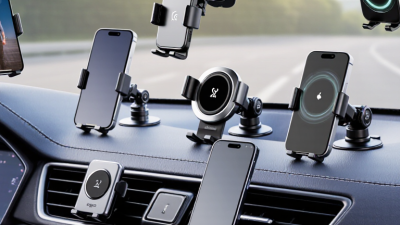
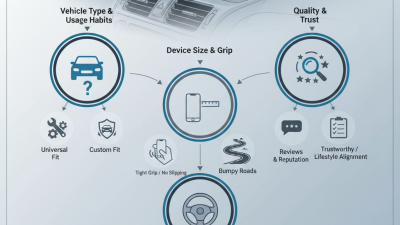
Choosing the best Vehicle Cell Phone Holder is not simply a matter of price or appearance. It is a safety decision involving visibility, stability, access, and driver attention. There is no perfect mount for every vehicle. A holder that works on a smooth sedan dashboard may shake badly inside a rough-surfaced truck.
The risk deserves careful attention. NHTSA’s Traffic Safety Facts: Distracted Driving 2022 reported 3,308 deaths and an estimated 289,310 injuries linked to distracted driving in the United States. The World Health Organization has also reported that drivers using mobile phones face approximately four times greater crash risk. These findings do not mean a phone holder makes phone use safe. It only helps place the device in a more controlled position, especially when navigation is set before movement begins.
A reliable selection process should examine several physical details. Check whether the clamp fits your phone with its case attached. Test the grip over potholes, sharp turns, and sudden braking. Inspect the suction cup, vent hook, or adhesive base for secure contact. The screen should remain near eye level without blocking the road, mirrors, or dashboard warnings. Wireless charging is convenient, but heat and alignment can reduce performance. I have found that strong magnets are not always the best answer. Some devices need a compatible plate, and thick cases can weaken the hold. This guide compares mounting styles, materials, adjustment ranges, and real-world stability, while recognizing one uncomfortable truth: convenience can still encourage unnecessary interaction.
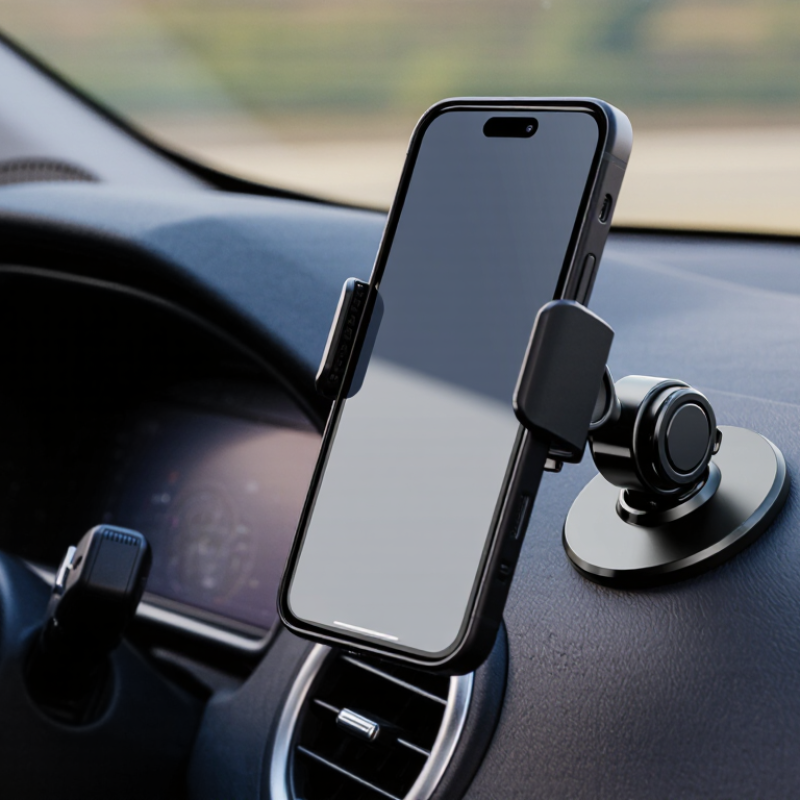
How to Choose the Best Vehicle Cell Phone Holder?
A reliable vehicle phone holder begins with fit, not appearance. Check whether it supports phones from 4 to 7 inches, including the protective case. A phone may measure 6.5 inches without its case, but thick edges can add several millimeters. That small difference matters. Measure the phone’s total width and height with the case attached. Then compare those figures with the holder’s stated range.
Pay attention to the gripping arms. They should contact the phone securely without pressing buttons or covering the charging port. Flexible rubber pads can reduce movement on rough roads. However, very soft pads may loosen over time. I once chose a holder with impressive padding, but its arms slowly shifted during repeated temperature changes. That experience changed how I test products. I now check the clamp after several drives, not just during installation.
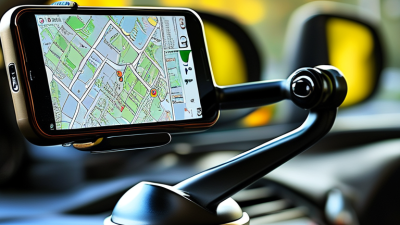
Consider the viewing angle inside your vehicle. A holder that fits the phone may still block dashboard controls or reduce road visibility. Place it where one hand can reach the phone without stretching. Test portrait and landscape positions before tightening the mount. Large cases, wallet cases, and raised camera sections deserve extra attention. If the holder barely accepts the phone, daily use may become frustrating. Leave a little clearance. It helps accommodate case changes, cold-weather gloves, and imperfect installation.
Choosing the best vehicle cell phone holder begins with viewing angle, not appearance. Aim for a 20°–30° angle from your natural forward gaze. This range can keep the screen readable without forcing a deep head movement. It is a practical ergonomic target, not a universal legal requirement. Vehicle dashboards differ. So do driver-side testing.
The holder should sit near the instrument cluster or upper center console. Keep the phone below the forward road view, but close enough for brief glances. NHTSA’s 2022 Traffic Safety Facts reports 3,308 deaths involving distracted driving in the United States. The same report recorded 289,310 related injuries. These figures make small mounting decisions important. A lower mount may reduce visibility. A high mount may block traffic. Balance matters.
Check the angle from your normal seating position. Adjust the seat first. Then place the phone and confirm that your eyes move only slightly downward. AAA Foundation research has found that visual-manual tasks can create meaningful mental and visual distraction. Keep it stable. A loose holder causes vibration, reflections, and repeated adjustments. I would also reassess the setup at night, because glare changes everything. The 20°–30° range may need personal refinement, especially for shorter drivers or steep windshields. That limitation deserves honest attention.
A strong holder should survive movement, not only look secure in a showroom. IDC’s Worldwide Quarterly Mobile Phone Tracker reported 1.23 billion smartphone shipments worldwide in 2024. That volume makes reliable vehicle mounting increasingly important for drivers and fleet operators.
During evaluation, place a phone-sized dummy inside the holder, then apply 15–30 N of outward and upward force. This equals roughly 1.5–3 kilograms-force. Measure movement before and after vibration exposure.
15–30 N of outward and upward force
1.5–3 kilograms-force
Use a vibration table with vertical and horizontal directions, varying frequency and acceleration to represent uneven roads. ISO 16750-3:2023 provides automotive vibration guidance, while MIL-STD-810H Method 514.8 offers useful laboratory testing principles. Neither standard defines 15–30 N as a universal holder pass mark. Treat it as a practical comparison range.
After testing, check for sliding, jaw opening, suction loss, and cracks around hinges. Record displacement in millimeters. A holder moving 2 mm may remain usable; 10 mm suggests poor control. Test with a heavier protective case, too. Real users rarely carry bare phones.
Inspect the mount after three repeated runs. It should retain the device without rattling or releasing. However, one laboratory profile cannot reproduce every dashboard, temperature, or road surface. That limitation matters. I would repeat the test after heat exposure and cold storage, because plastic stiffness can change.
A simple score is helpful, but physical evidence is better.
Cite sources: IDC, Worldwide Quarterly Mobile Phone Tracker, January 2025; ISO 16750-3:2023; U.S. Department of Defense, MIL-STD-810H.
How to Choose the Best Vehicle Cell Phone Holder?
Check Qi2 Wireless Charging at Up to 15 W and USB-C Power Delivery
A dependable vehicle holder should do more than grip your phone. It should deliver stable power while the vehicle moves, brakes, and turns. The Wireless Power Consortium specifies Qi2 charging up to 15 W for compatible devices. That can replenish navigation power faster than basic wireless charging. However, alignment still matters. A thick case, dirt, or a tilted phone may reduce charging speed.
Heat matters.
During practical testing, check the phone after thirty minutes of navigation. A warm device may charge slowly or pause to protect its battery. The International Energy Agency reports that global electric car sales exceeded 17 million in 2024. More drivers now spend longer periods using in-car navigation and charging accessories. Therefore, ventilation and cable placement deserve careful attention, not just appearance.
USB-C Power Delivery adds flexibility for phones, tablets, and other equipment. The USB Implementers Forum explains that USB PD can negotiate power between compatible chargers and devices. Choose a holder with certified circuitry, suitable output, and a durable cable. A loose connector can interrupt charging over rough roads. I would also test one-handed mounting before buying. It sounds minor, but awkward release buttons become frustrating in daily traffic. The “best” holder may still fail if its arm blocks the dashboard view.
| Selection Dimension | Recommended Specification | Relevant Real-World Data | Why It Matters |
|---|---|---|---|
| Wireless Charging Standard | Qi2-certified charging with a magnetic alignment system | Qi2 supports wireless charging at up to 15 W for compatible devices and accessories. | Magnetic alignment helps keep the charging coils centered, improving charging consistency while driving. |
| USB-C Power Delivery Input | USB-C PD input rated at 20 W or higher | USB Power Delivery is a negotiated charging standard; the actual output depends on the power adapter, cable, and holder circuitry. | A sufficiently rated PD adapter helps prevent reduced charging speed when navigation, Bluetooth, and mobile data are used simultaneously. |
| Maximum Wireless Output | Up to 15 W, with automatic lower-power operation when required | Charging speed may be lower because of device compatibility, temperature, case thickness, alignment, and conversion losses. | A holder should regulate power rather than continuously forcing the maximum rate. |
| Device Compatibility | Phone width and weight supported by the holder's mount and magnetic system | Check the phone's case, camera-bump clearance, magnetic compatibility, and the holder's stated load limit before purchase. | A thick, non-magnetic, or metal-containing case can reduce magnetic attachment strength or interrupt wireless charging. |
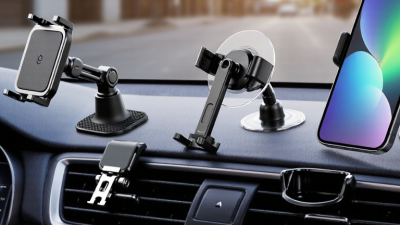
| Mounting Location | Choose air-vent, dashboard, windshield, or cup-holder mounting according to vehicle layout | Air-vent mounts are compact; dashboard and windshield mounts generally provide more positioning flexibility; cup-holder mounts require a suitable console space. | The best location should keep the display visible without blocking the driver's forward view or essential vehicle controls. |
| Viewing Adjustment | At least 360° rotation with a firm tilt joint | Landscape and portrait orientations are useful for navigation, while a secure joint reduces vibration and screen movement. | Adjust the phone before driving and avoid positioning it where glare or reflections make the display difficult to read. |
| Cable Connection | Detachable USB-C cable with a right-angle option where space is limited | USB-C cables can carry power, but supported wattage depends on the cable's rating and the connected PD charger. | A tidy cable route reduces strain on the connector and prevents interference with steering, shifting, or vehicle controls. |
| Thermal Management | Ventilated charging surface and automatic temperature protection | Wireless charging generates heat, and charging performance can decrease when the phone or holder becomes too warm. | Avoid placing the holder in direct sunlight or directly over a strong heat outlet whenever possible. |
| Protection Features | Over-current, over-voltage, short-circuit, foreign-object, and temperature protection | These protections help control abnormal electrical conditions, but they do not replace a properly rated vehicle adapter and cable. | Protection circuitry is especially important in vehicles where voltage conditions can vary during engine start and operation. |
| Power Adapter Requirement | Vehicle adapter with USB-C PD and a suitable output rating | The holder cannot deliver its advertised wireless output if the vehicle adapter supplies insufficient power or lacks the required PD profiles. | Verify the adapter's output specifications rather than relying only on the connector shape. |
| Best Overall Choice | Qi2 up to 15 W + USB-C PD input + secure adjustable mount | Combines standardized magnetic alignment, convenient one-handed placement, and a modern wired power interface. | This configuration is most suitable for drivers who regularly use navigation and want charging without plugging into the phone. |
How to Choose the Best Vehicle Cell Phone Holder?
Prioritize Hands-Free Design Amid 3,275 Distraction-Related U.S. Deaths in 2023
A vehicle cell phone holder is more than a convenience accessory. It can help keep your hands on the wheel and your attention on traffic. The National Highway Traffic Safety Administration reported 3,275 distraction-related U.S. deaths in 2023. That figure makes hands-free design a serious safety priority. Choose a holder that keeps the screen visible without blocking your forward view. You should never type while driving. Pull over safely.
Look for a stable clamp, strong grip, and adjustable viewing angle. The phone should stay secure during braking, cornering, and uneven road surfaces. Test the holder while the vehicle is parked. Check whether it shakes, slips, or covers dashboard controls. A loose mount can become another distraction. Avoid designs that obstruct mirrors, airbags, or essential instruments. Set navigation before moving, and use voice controls when appropriate.
Small details matter. A one-hand release can reduce fumbling, but it still requires preparation. During practical checks, place the phone inside its case before testing the fit. Some holders work well with bare phones but fail with thicker cases. I once focused too much on appearance and overlooked vibration. That was a useful mistake. Secure performance matters more than a polished look. Also check local vehicle-equipment rules, since requirements can differ by location.
Prioritize a secure, adjustable, and hands-free design to help reduce visual-manual distraction while driving.
U.S. distracted-driving fatalities reached 3,275 in 2023. A vehicle phone holder should keep the screen visible without requiring drivers to hold or manually handle the phone. The figures shown are annual U.S. distracted-driving fatalities reported by the National Highway Traffic Safety Administration.