How to Choose a Magnetic Phone Holder in 2026?

Choosing a Magnetic Phone Holder in 2026 requires more than checking its advertised magnet strength. Phones are heavier, cameras are larger, and many users attach protective cases. A holder that feels secure on a desk may fail on a rough road.

Industry data explains why this category matters. IDC’s Worldwide Quarterly Mobile Phone Tracker reported approximately 1.24 billion smartphone shipments in 2024, showing the enormous scale of the installed device base. GSMA’s Mobile Economy reports also highlight continued growth in mobile internet use and connected lifestyles. Meanwhile, the Wireless Power Consortium’s Qi2 standard is encouraging broader magnetic alignment for wireless charging. These developments make compatibility an essential buying factor, not a minor feature.

A reliable Magnetic Phone Holder should match the phone, case, vehicle surface, and daily movement. Check whether it supports MagSafe or Qi2 alignment. Examine the stated holding force, hinge quality, temperature performance, and charging output. A smooth dashboard and a vibrating car vent create very different demands. Look for tested materials, clear installation instructions, and a return policy from a traceable manufacturer. Independent reviews can reveal weak adhesive, slipping joints, or charging interruptions that product pages often omit.

Small details matter.

I have found that “strongest” does not always mean “best.” Excessive magnetic force may complicate removal or stress a poorly designed case. Buyers should also question vague laboratory claims and verify testing conditions. The right choice balances stability, access, charging efficiency, and long-term reliability. In 2026, informed selection means comparing evidence, not simply trusting a bold specification.
How to Choose a Magnetic Phone Holder in 2026?

Define the Mounting Environment: Dashboard, Vent, Cup-Holder, or Desk

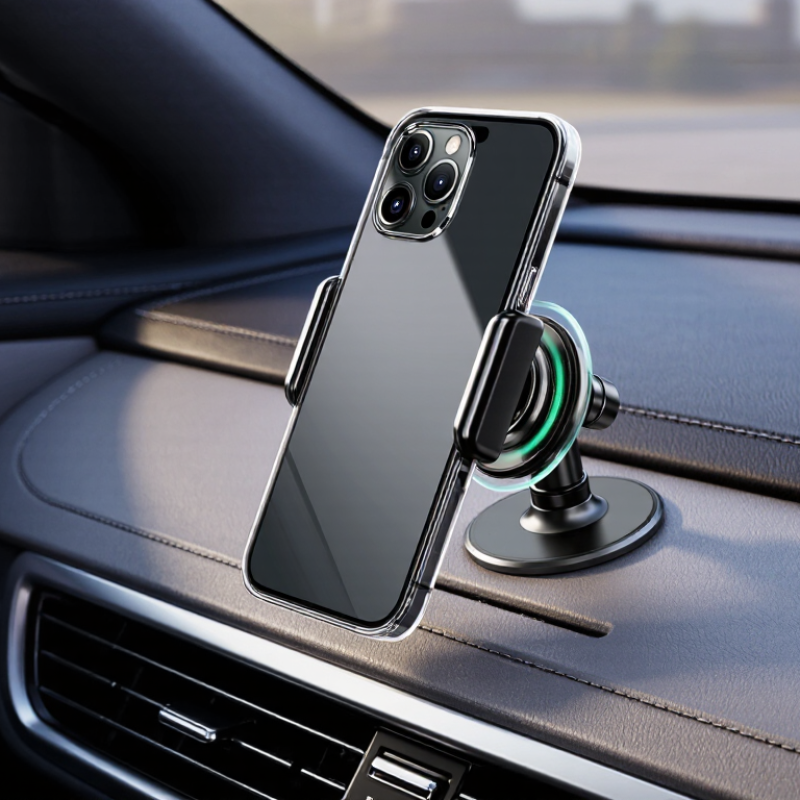
The best magnetic phone holder begins with the mounting environment, not the magnet. Before buying, sit in the actual vehicle and inspect the dashboard. A smooth, firm surface usually supports adhesive bases well. Textured dashboards can weaken adhesion, especially in summer heat. Place the holder near eye level, but keep the road view clear. I once mounted one too low, and checking directions became distracting. That choice looked tidy, yet worked poorly.

Vent mounts need a different inspection. Check whether the vent slats are strong, deep, and stable. Thin or loose slats may bend under a heavier phone. Airflow can also cool the device constantly, which may be uncomfortable in winter. Cup-holder mounts offer better stability, but they consume useful storage space. Measure the cup well before ordering. A loose base may wobble on rough roads. A tight base may block nearby controls.

For a desk, consider reach, cable movement, and viewing angle. A weighted base suits frequent one-handed use. A clamp works better when desk space is limited. The holder should not slide when you tap the screen. Test it with your phone and case, not an empty sample. Magnetic strength matters, but alignment matters more. Thick cases can reduce the connection. I have overlooked this detail before. The holder stayed attached, while the phone slowly tilted. Small tests reveal more than attractive specifications.
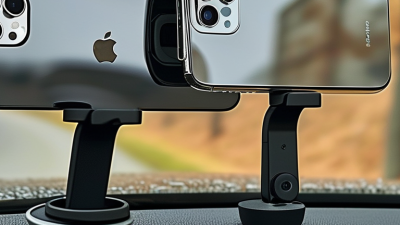
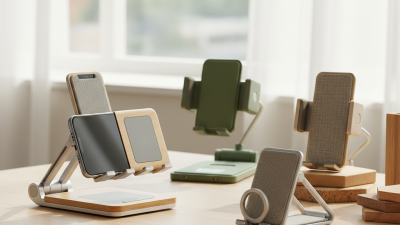
Verify Magnetic Compatibility: WPC Qi2 Supports Wireless Charging up to 15 W

How to Choose a Magnetic Phone Holder in 2026?

A reliable choice begins with magnetic compatibility, not appearance. The Wireless Power Consortium’s Qi2 specification supports wireless charging up to 15 W through its Magnetic Power Profile. Alignment matters. It keeps the charging coil centered, reducing wasted energy and stop-start charging. However, 15 W is a maximum, not a guarantee. The phone, case, holder, cable, and power adapter can reduce actual output. IDC’s Worldwide Quarterly Mobile Phone Tracker recorded 1.24 billion smartphone shipments globally in 2024. That scale makes cross-device compatibility increasingly important. Check whether your phone supports Qi2 directly or needs a certified magnetic case. A simple magnetic ring may hold firmly but still fail to provide Qi2 charging.

Tips: Test the holder before permanent installation. Place the phone on the mount and monitor charging for several minutes. Try navigation and a video call. Unexpected heat deserves attention, although warmth alone does not prove a fault. Check WPC certification details and the stated 15 W capability. Confirm that the power adapter can supply the required input. I prefer a firm mount with limited adjustment movement. A perfectly rigid arm may transfer road vibration directly to the phone. One-handed release also matters. A grip that feels too strong can become distracting. Independent tests help, but laboratory results may not match a hot dashboard. Leave room for doubt.

How to Choose a Magnetic Phone Holder in 2026?

Verify magnetic compatibility before buying. Qi2 supports magnetic alignment and wireless charging up to 15 W, while earlier Qi charging commonly provides up to 5 W in its basic profile.

The values show the maximum rated wireless charging power of selected charging profiles. Actual performance depends on the phone, charger, alignment, temperature, and power adapter.

Match Rated Magnetic Load to Your Phone-and-Case Weight

A magnetic phone holder should be rated for the complete load, not the phone alone. Measure the phone, case, camera cover, and any metal ring. A 210-gram phone with a 45-gram case already weighs 255 grams. Add a 20-gram accessory, and the holder carries 275 grams.

Choose a rated load at least 1.5 times higher. For 275 grams, a 415-gram rating gives useful protection against braking, bumps, and vertical vibration. This is not excessive. Road shock changes the force. A holder that feels strong on a desk may slowly slip in a moving vehicle. Check the rating in the holder’s technical sheet, not only its marketing description.

The Wireless Power Consortium’s Qi2 documentation supports magnetic charging up to 15 watts, but charging power is not mechanical holding strength. These are separate specifications. IEC 62368-1 also addresses equipment safety, not a universal magnetic retention rating. I initially treated a strong magnet as enough. That was careless. Test the assembled setup for ten minutes, then repeat it with the phone tilted and the vehicle moving. If the case flexes, the magnetic connection weakens. Remove thick cards and uneven camera protectors before testing. Some load figures may be optimistic, so leave more margin than the printed minimum.

Prioritize Safety: Check WPC Certification and IEC 62368-1 Compliance

How to Choose a Magnetic Phone Holder in 2026?

A magnetic phone holder should do more than keep your phone visible. It must manage heat, movement, and electrical risks. If wireless charging is included, look for valid Wireless Power Consortium (WPC) certification. WPC approval shows that the charging system follows recognized interoperability and safety requirements. Check the certificate details, not just a printed logo. The certification should match the exact model and charging function.

IEC 62368-1 Compliance IEC 62368-1 compliance is also important for powered holders. This standard evaluates risks involving electric shock, fire, energy sources, and mechanical construction. Ask whether the compliance report covers the complete product. A component certificate may not cover the finished holder.

Inspect the Details Inspect the plug, cable, coil area, and ventilation openings. Poor airflow can make charging unusually warm.

Small details matter. The magnet should hold securely without interfering with buttons or cameras. The mount should remain stable during sudden braking. Test it on a rough road, if possible.

A certificate is not a magic shield. I still question vague claims, missing test numbers, and outdated documents. Some product pages look convincing but provide little evidence. Choose a holder with traceable documentation, clear electrical ratings, and instructions you can actually follow. Safety should feel visible, not assumed.

Compare 2026 Features: Rotation, One-Hand Use, Heat Control, and Warranty

A magnetic phone holder in 2026 should support more than simple attachment. The GSMA’s Mobile Economy 2024 report estimated 4.6 billion mobile-internet users worldwide in 2023. That scale makes daily phone handling a serious design concern. I test holders with one hand while driving is parked, using maps, calls, and charging. A strong magnet matters, but alignment matters more. Check whether the phone stays centered after a sharp turn. Small movement becomes annoying quickly.

Rotation should feel controlled, not loose. Look for smooth portrait-to-landscape movement and a joint that locks without excessive force. One-hand use depends on reach, grip, and release pressure. Try opening a navigation app with your thumb. Too much resistance defeats the feature. Too little resistance causes sudden drops.

I once chose a compact holder that looked elegant, but its narrow base shook on rough roads. That was my mistake.

Heat control deserves careful inspection. The holder should leave airflow around the phone and avoid pressing against charging areas. Pew Research Center reported in 2024 that about 90% of U.S. adults own a smartphone, so comfort and thermal behavior affect many daily users. Warranty terms reveal build quality. Check coverage length, magnet failure limits, adhesive exclusions, and replacement procedures. A longer warranty helps, but clear conditions matter more.

No holder is flawless. Read the exclusions.