What Is a Magnetic Car Holder for iPhone?

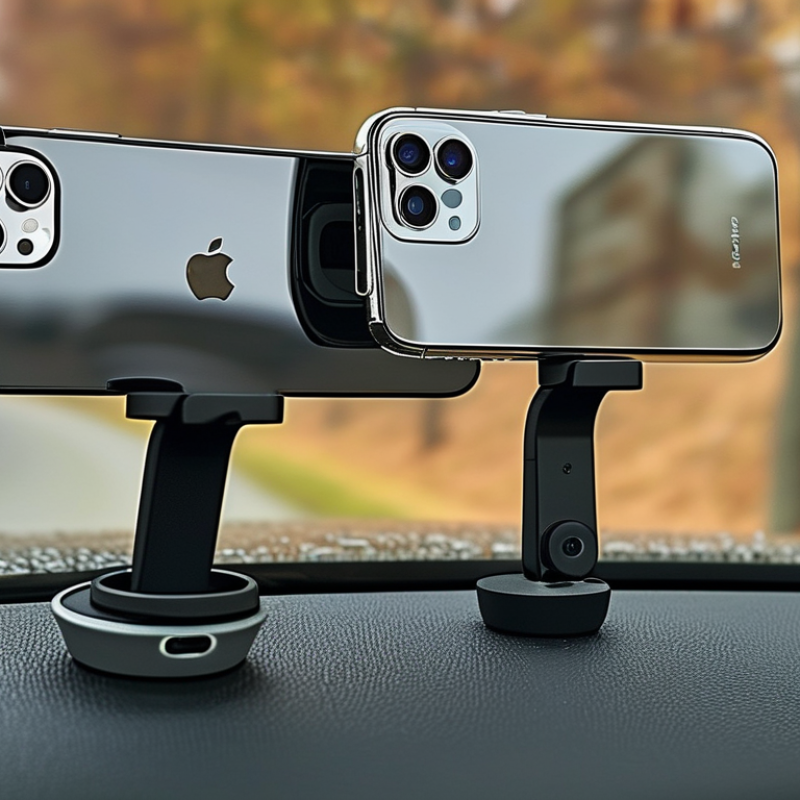
A Magnetic Car Holder For Iphone is a dashboard, vent, or windshield mount that uses magnetic force to secure an iPhone during a journey. Many models rely on MagSafe magnets built into newer iPhones. Older models may need a compatible magnetic ring or case. The phone snaps into place with a quiet click. It can also be removed with one hand.

Alex Knizek, an automotive testing manager at Consumer Reports, has offered a practical principle: “A phone mount should keep the device secure and visible without obstructing the driver’s view.” That standard explains why design matters. A strong magnet is useful, but stability depends on the mount, surface, road conditions, and phone case. A heavy case can weaken the connection. Rough roads expose poor products quickly.

Visibility is important. The holder should sit near eye level, not across the windshield or above essential controls. Drivers should set navigation before moving and avoid handling the phone while driving. Some magnetic holders include wireless charging, but a basic mount does not charge the device. That difference is easy to miss.

It is not flawless.

Even a well-designed Magnetic Car Holder For Iphone can loosen in extreme heat, cold, or repeated vibration. Adhesive bases may leave residue, and vent clips can restrict airflow. Personal testing helps: place the phone, tap the dashboard, and check whether it stays aligned. This simple test feels ordinary, yet it reveals more than attractive packaging. A reliable holder should disappear into the driving routine while keeping the screen steady, accessible, and safely positioned.

What Is a Magnetic Car Holder for iPhone?

What Is a Magnetic Car Holder for iPhone?

A magnetic car holder for iPhone is a compact mount that keeps a phone visible and reachable inside a vehicle. It uses magnetic attraction between the holder and a metal ring or magnetic case. The holder usually attaches to an air vent, dashboard, or windshield. It is not a charger. Some models support wireless charging, but the magnetic function and charging function are separate.

A good holder should keep the phone steady during braking, turning, and uneven roads. I look for a firm base, a smooth adjustment joint, and a magnet that grips without forcing the phone into place. The phone should remain easy to remove with one hand. However, magnet strength is not everything. A very strong mount may make removal awkward or pull against a poorly fitted case. Small detail. The metal ring must sit near the case center for better balance.

Placement also matters for safety and visibility. The holder should not block the windshield, dashboard controls, airbag area, or the driver’s view. Local hands-free rules can differ, so drivers should check them before use. Some magnetic accessories may affect compass readings or interfere with cards stored inside a case. I once placed a phone too close to the dashboard edge, and the screen reflected sunlight badly. That mistake reminded me that convenience still needs testing. A stable holder is useful, but careful positioning makes it reliable.

What Is a Magnetic Car Holder for iPhone?

A magnetic car holder uses magnetic alignment to keep a compatible phone or magnetic case attached to a dashboard, windshield, or air vent mount. Charging models may also support wireless power delivery.

The chart compares commonly recognized wireless charging power levels used with magnetic phone holders. Standard Qi charging is rated at up to 5 watts, while Qi2 charging supports up to 15 watts under the original Qi2 specification. Actual charging performance depends on the phone, charger, temperature, alignment, and power adapter.

How Does a Magnetic iPhone Car Holder Work?

What Is a Magnetic Car Holder for iPhone?

A magnetic car holder keeps an iPhone visible while driving. Its main parts include a vehicle mount, a magnetic plate, and a strong magnet. The plate attaches to the phone or its protective case. The mount may use a vent clip, dashboard pad, or another stable fitting.

How Does a Magnetic iPhone Car Holder Work?

Inside the holder, magnets create a focused magnetic field. The matching plate responds when it reaches the holder. Magnetic attraction pulls the phone into alignment and holds it against the mounting surface. It does not charge the phone unless it includes a separate wireless charging system. The holder should support the phone during turns, braking, and uneven roads. In practical use, a clean, flat contact area improves stability. Thick cases, camera bumps, and dusty surfaces can weaken the connection. That detail is easy to miss. A phone may remain attached in a driveway but shift during a sharp bend. Real road testing can reveal this weakness.

Tips: Clean both contact surfaces before installation. Check that the mount does not block your view or essential controls. Use a compatible plate and case combination. Test the holder while parked, then inspect it after several trips. If the phone moves, reposition the mount instead of trusting the magnet blindly.

What Is a Magnetic Car Holder for iPhone? - How Does a Magnetic iPhone Car Holder Work?

Data Dimension Key Information Practical Meaning
Basic Definition A magnetic car holder uses magnetic attraction to secure an iPhone or a compatible case to a mount inside a vehicle. The phone can usually be attached and removed with one hand.
Main Magnetic Interface Compatible iPhone models use a circular magnetic alignment system built into the rear area of the phone. A compatible magnetic case provides the same interface. Correct alignment helps the phone stay centered and improves holding stability.
Older or Non-Compatible Phones A thin magnetic ring or a compatible case may be required when the phone does not have a built-in magnetic alignment system. The ring must be positioned accurately and firmly attached to prevent shifting or detachment.
How the Holder Works Magnets in the mount attract the magnetic ring or magnetic array in the phone or case. No clamp arms are needed, so the screen and side buttons remain accessible.
Holding Strength Actual holding strength depends on magnet design, contact area, phone weight, case thickness, road vibration, and mounting angle. A thick, uneven, or non-magnetic case can reduce the magnetic connection.
Mounting Locations Common mounting options include air-vent mounts, dashboard mounts, windshield mounts, and cup-holder mounts. The best location should provide a clear view without blocking essential driving controls or visibility.
Viewing Adjustment Many holders use a ball joint or rotating mechanism to support portrait and landscape orientation. Drivers can adjust navigation viewing angles while keeping the phone attached.
Charging Capability A basic magnetic holder only secures the phone. Charging requires a separate cable or a mount with an integrated wireless charging module. Magnetic attachment alone does not transfer electrical power.
Wireless Charging Alignment Charging models require the phone and charging coil to be correctly aligned. A thick or improperly positioned case may reduce charging efficiency. A magnetic mount can improve coil alignment, but charging performance still depends on the phone, case, charger, and power source.
Installation Requirements The mounting surface or air vent must be clean, stable, and suitable for the selected mount type. A secure base is important because the mount experiences vibration, acceleration, braking, and turning forces.
Safety Consideration The holder should not obstruct the driver’s forward view, airbags, instrument panel, or access to vehicle controls. Use the holder only where it can support safe, hands-free navigation and operation.
Effect on Phone Functions The magnetic mount is designed to hold the phone and does not normally affect cellular, Bluetooth, GPS, or Wi-Fi functions when properly used. Large metal plates or poorly placed accessories may interfere with wireless charging or other accessories.
Best Use Case Magnetic holders are useful for navigation, hands-free calls, music control, and quick access to the phone while parked or driving safely. They provide fast access and a clean design, but the mount must be selected for the vehicle and phone setup.

What Are the Main Types of Magnetic Car Holders?

A magnetic car holder secures an iPhone with a magnetic connection while you drive. Its design usually combines a magnetic ring or metal plate with a fixed mount. The main differences involve attachment location and charging function.

Dashboard mounts sit on a flat surface and offer a stable viewing angle. They work well when the dashboard has a smooth, firm finish. Vent mounts clip onto an air vent and save space. However, heavy phones may pull the vent downward. Windshield mounts use a suction base and often provide flexible positioning. They can be useful in larger vehicles, but heat and direct sunlight may weaken the suction over time.

Magnetic charging mounts power the phone while it remains attached. They reduce cable clutter during navigation. Non-charging mounts are simpler and usually lighter. They still need a compatible case, magnetic ring, or built-in magnetic alignment. Without proper alignment, the phone may rotate or fall. There is no perfect choice. A strong dashboard mount may feel bulky, while a compact vent mount may lack stability. In practical testing, check the holder on a rough road before regular use. Keep the screen outside the driver’s blocked view. Small adjustments matter.

How to Install and Use a Magnetic Car Holder Safely

What Is a Magnetic Car Holder for iPhone?

A magnetic car holder uses magnetic attraction to secure a compatible smartphone near the dashboard. It usually includes a mount, a magnetic plate, and an adjustable arm.

The holder should keep the screen visible without blocking the windshield, airbag areas, or essential controls.

NHTSA recorded 3,308 deaths in distraction-affected crashes in 2022, showing why installation matters.

How to Install and Use a Magnetic Car Holder Safely

Choose a firm, reachable surface before attaching the mount. Clean the dashboard with a dry, lint-free cloth. Press the base firmly, then allow adhesive mounts to settle according to the instructions.

Avoid placing the holder over steering-wheel airbags or directly above instrument displays. The magnetic plate should sit flat inside the case, not between loose cards or metal objects.

Test it while parked. Turn the phone sideways and check whether the view remains clear. The holder must not interfere with charging cables, climate controls, or emergency visibility.

AAA Foundation research found that visual-manual phone tasks can keep drivers’ eyes away from traffic for several seconds.

Magnetic mounting does not remove that risk. Set navigation before moving, use voice commands, and stop safely when changing a destination.

A weak magnet may still hold the phone in a garage but fail over bumps. I would recheck the mount after a hot day, because adhesive performance can change.

The setup is convenient, but not perfect.

What Features Should You Consider Before Buying One?

A magnetic car holder for iPhone uses a magnetic ring to secure the phone near the dashboard or air vent. The best choice depends less on appearance and more on stability, compatibility, and safe placement.

NHTSA’s 2023 Traffic Safety Facts reported 3,275 deaths involving distracted driving.

A holder should keep the screen visible without encouraging complicated adjustments while driving.

Check the magnetic holding force with your actual phone case attached. Thick wallets, metal plates, and uneven cases can weaken contact. The mount should also support one-handed attachment and resist movement on sharp turns.

I once focused on magnet strength and underestimated the base. The phone stayed attached, but the vent shifted under its weight.

A rigid dashboard mount may work better, yet its adhesive can damage some surfaces.

Charging features require closer inspection. The Wireless Power Consortium explains that certified magnetic charging products are tested for alignment and interoperability. Look for clear power ratings, heat control, and protection against overcharging.

A phone that feels hot after a short journey deserves attention.

The viewing angle should avoid reflections, block neither airbags nor road visibility, and leave the charging cable free from the gear area.

Independent user tests are useful, but sample sizes can be small. Read them critically. Test the holder while parked before trusting it on a longer drive.