What is a Wireless Charger and How Does It Work?
In today’s fast-paced world, the convenience of a Wireless Charger cannot be overstated. Industry expert Dr. Emily Chen, a leading researcher in wireless technology, states, "Wireless charging is not just a trend; it's a necessary evolution in how we power our devices." As smartphones and wearables proliferate, consumers seek effortless charging solutions free of tangled cords.
A Wireless Charger operates using electromagnetic fields to transfer energy. This technology has changed how we interact with our devices. Imagine placing your phone on a charging pad instead of fumbling with cables. However, the technology is not without its challenges. Efficiency can vary based on the charger and device alignment. Misalignment results in slower charging, causing frustration.
Consumers often desire clarity on performance. While Wireless Chargers offer convenience, they may not always provide the fastest charge. Understanding these nuances is crucial. Exploring how a Wireless Charger works reveals both its strengths and limitations. Users need to remain informed to maximize their experience with this evolving technology.
What is a Wireless Charger?
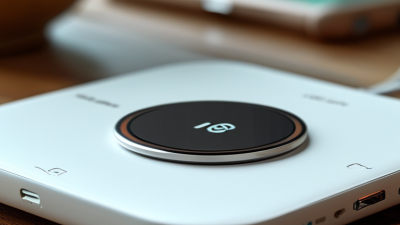
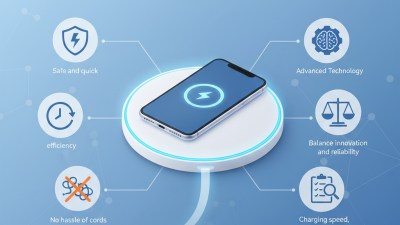
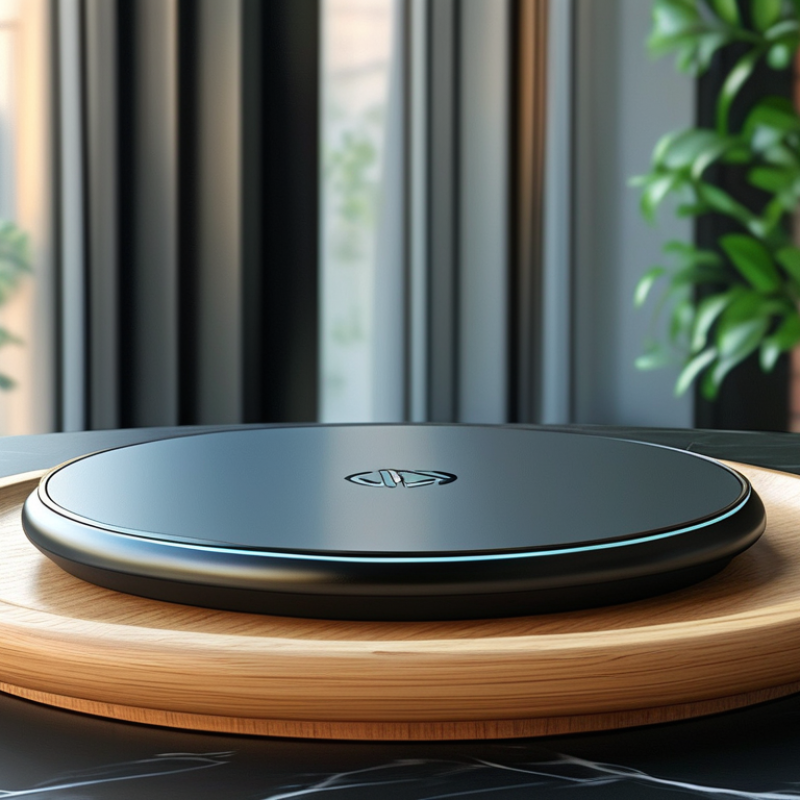
A wireless charger is an innovative device that allows users to charge their electronic gadgets without the hassle of tangled cords. These chargers utilize electromagnetic fields to transfer energy from the charger to the device. Simply place your smartphone or compatible gadget on the charging pad, and it starts charging. This technology provides a seamless experience for users who want to avoid plugging and unplugging cables.
The key component in a wireless charger is the induction coil. This coil creates a magnetic field that transfers energy. It’s fascinating how this technology works. However, it can have limitations. For instance, the device must be aligned correctly on the pad. If not, the charging can be slow, or it may not work at all. This can lead to frustration in daily use.
Despite its convenience, charging speed can often be slower than traditional methods. Users may find that thicker cases or metal components impede charging. Additionally, some may forget to place their device on the pad altogether. These issues highlight that although wireless charging is advanced, it is still evolving. Balancing convenience with efficiency is an ongoing challenge.
The Technology Behind Wireless Charging
Wireless charging employs electromagnetic fields to transfer energy between devices. This technology eliminates the need for physical connectors. A report from MarketsandMarkets predicts the wireless charging market will reach $39.2 billion by 2025, reflecting growing consumer interest.
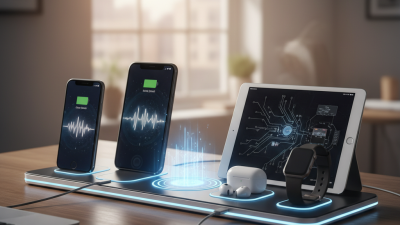
At the heart of this technology are inductive chargers. They use coils to create a magnetic field. When a compatible device is placed on the charger, energy is transferred via this field. However, the efficiency of wireless charging can vary. According to research, conversion rates typically range from 60% to 80%.
Despite advancements, challenges remain. Users often face misalignment issues; a proper position is crucial for optimal charging. Additionally, the speed of wireless charging is often slower compared to wired methods. While convenience is a clear advantage, these limitations prompt consideration of when to use this technology effectively.
How Wireless Charging Works: The Process Explained
Wireless charging offers a convenient way to power devices. To understand how it works, we must look at electromagnetic induction. This process uses magnetic fields to transfer energy. A charging pad generates a magnetic field when connected to a power source.
When a compatible device, like a smartphone, is placed on the pad, a coil inside it detects the field. The device's coil then converts the magnetic energy back into electrical current. This current charges the battery. The efficiency of this process can vary. Sometimes, devices may heat up unexpectedly.
While wireless charging simplifies the connection, it's not always perfect. Not all devices support this technology. Additionally, aligning the device on the pad is crucial for effective charging. Any misalignment can lead to slower charging speeds. Understanding these quirks helps users optimize their experience with wireless technology.
Types of Wireless Chargers Available on the Market
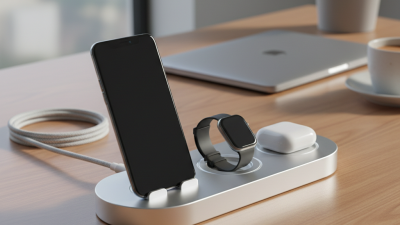
Wireless chargers come in various types, each catering to diverse needs. One common type is the Qi charger. It uses electromagnetic induction to transfer energy. Simply place your device on the pad, and charging begins. This type is popular for smartphones, enabling hassle-free power-ups.
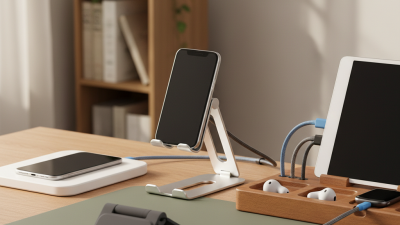
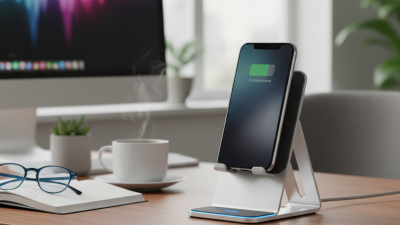
Another variant is the charging stand. This option allows users to prop devices at a comfortable angle. It's ideal for video calls and viewing notifications. You'll find stands that support multiple devices. They, however, may not be as portable as flat pads. Some users prefer slimmer designs for easier transport.
Lastly, we have the power bank with wireless charging. It’s a flexible solution for on-the-go charging. These devices can be lifesavers during long trips. However, they might come at a higher price. Many options lack the speedy charging capabilities found in wired chargers. Thus, understanding your specific needs can improve your experience with wireless charging solutions.
What is a Wireless Charger and How Does It Work? - Types of Wireless Chargers Available on the Market
| Type of Wireless Charger |
Charging Standard |
Compatibility |
Charging Power (W) |
Features |
| Qi Charger |
Qi Standard |
Smartphones, Wearables |
5W - 15W |
Fast charging support, compact design |
| PMA Charger |
PMA Standard |
Select smartphones |
5W - 10W |
Widespread in public charging stations |
| Inductive Charger |
Inductive Coupling |
Various electronic devices |
Up to 15W |
Safe for all device types, less heat |
| Resonant Charger |
Resonant Inductive Coupling |
Smartphones, Tablets |
10W - 30W |
Multiple device charging, longer distances |
| Solar Wireless Charger |
Solar Power |
Outdoor devices |
5W - 10W |
Eco-friendly, portable |
Benefits and Limitations of Using Wireless Chargers
Wireless chargers are transforming how we power our devices. Their convenience is a significant draw, but they come with both benefits and limitations. A study by Statista reveals that about 20% of smartphone users in the U.S. now utilize wireless charging. The appeal lies in ease of use; simply place your device on the pad. This eliminates the hassle of cords and plugs, appealing to a tech-savvy generation.
However, limitations exist. Wireless charging is generally slower than traditional wired charging, with many chargers delivering between 5W and 15W. In contrast, wired chargers can exceed 20W. The heat produced during the process can also affect device performance over time. Furthermore, wireless chargers can be less efficient, leading to energy loss. Research indicates that wireless charging may waste up to 30% of energy compared to traditional methods.
Ultimately, while the convenience of wireless chargers is undeniable, users must weigh these factors. Wireless charging is perfect for those who appreciate simplicity and aesthetics. But speed and efficiency might be the priority for others. Knowing what matters most can guide your choice in a techno-centric world.
Wireless Charger Efficiency Comparison