10 Essential Tips for Choosing the Best Magnetic Wireless Charger
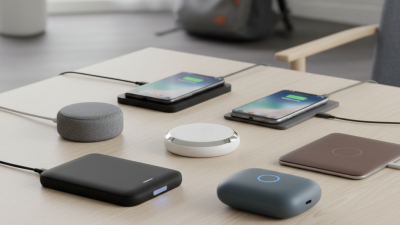
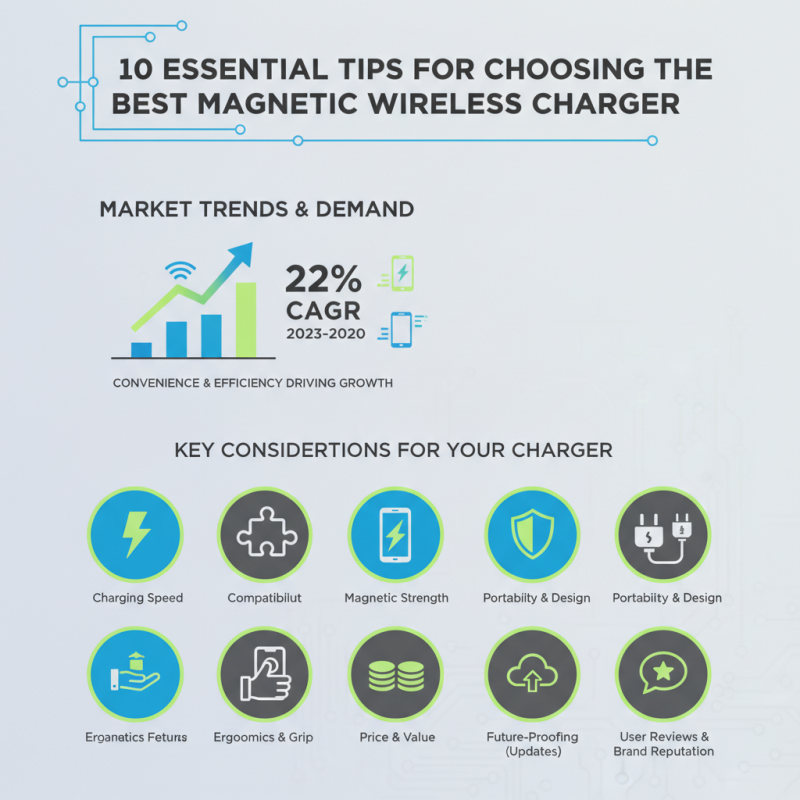
In today's tech-driven world, a reliable Magnetic Wireless Charger is essential for seamless connectivity. Recent market research shows that the wireless charging market is expected to grow at a CAGR of 22% from 2023 to 2030. This highlights the increasing demand for innovative charging solutions. Consumers now seek convenience without sacrificing efficiency.
Choosing the right charger can be overwhelming. Different brands offer various features, which can complicate the decision process. For instance, some chargers promise faster charging speeds while others focus on sleek designs. It's crucial to evaluate these features based on your daily needs. Many users report dissatisfaction due to poor compatibility or insufficient charging power.
Understanding these nuances can lead to better choices. A well-informed decision can enhance your charging experience. Explore how to navigate this evolving landscape and choose wisely. You'll find that a Magnetic Wireless Charger can simplify your life while keeping your devices powered.
Understanding Magnetic Wireless Charging Technology
Magnetic wireless charging technology has revolutionized how we power our devices.
At its core, this system uses magnets to align the charger with the smartphone,
ensuring optimal power transfer. This alignment reduces energy loss and enhances efficiency.
With a simple snap, your device connects seamlessly.
However, not all magnetic chargers are created equal. Some may not provide the expected wattage,
leading to slower charging times. Factors like coil positioning and
compatibility can greatly influence performance. It's vital to scrutinize specifications before making a purchase.
Many users overlook the importance of heat management in wireless chargers.
Excess heat can degrade battery life over time. A reliable charger should have built-in mechanisms to mitigate overheating.
Users often report frustrations with devices getting too hot during charging.
This could indicate a need for better cooling solutions. By understanding these nuances,
consumers can make informed choices about their charging needs.
Key Features to Look for in a Magnetic Wireless Charger
When selecting a magnetic wireless charger, several key features should guide your decision. Efficiency is crucial. Look for chargers that provide fast charging capabilities. Many options allow for a power output of at least 15W. This ensures your device charges quickly, saving you time and keeping you connected.
Compatibility is another significant factor. Not all chargers work seamlessly with every device. Ensure the charger supports the specific models you intend to use. Additionally, check safety features to prevent overheating and overcharging. Chargers with built-in protection mechanisms offer peace of mind.
Lastly, consider the design and durability. A robust design means it will withstand daily wear. Magnetic alignment can enhance the user experience, allowing for easy connection. Remember, a reliable charger can make your life easier, while a poor choice can lead to frustration. Take your time to reflect on what matters most to you.
Factors Affecting Charging Speed and Performance
When choosing a magnetic wireless charger, several factors significantly impact charging speed and performance. One key consideration is the power output. Chargers with wattage generally offer faster charging times. However, ensure your device supports this output. Otherwise, slower charging may result. Users often overlook compatibility issues, causing frustration when devices do not charge as expected.
Another critical factor is temperature management. Chargers that overheat can hinder performance and even harm your device. Look for chargers with built-in cooling features. These help maintain optimal temperatures during use. Additionally, the alignment of your device with the charger affects efficiency. Misalignment can lead to reduced power transfer. This often occurs when users rush to dock their devices. Taking a moment to ensure proper alignment pays off in the long run.
Finally, consider the material quality of the charger. Cheaper materials may not provide the durability needed for long-term use. Low-quality chargers may also present safety risks. User reviews can be helpful in gauging reliability. However, remember they can be biased. Engage in personal research to validate findings. A well-informed choice will ultimately enhance your wireless charging experience.
Compatibility with Various Devices and Accessories
When selecting a magnetic wireless charger, compatibility with a range of devices is crucial. Reports indicate that nearly 70% of consumers prefer chargers that support multiple devices. This suggests that versatility is a key factor in user satisfaction. For instance, chargers that accommodate both iOS and Android products often sell significantly better. Additionally, cross-device charging capabilities can enhance user experience significantly.
It's important to consider the charging standard employed. Qi certification is prevalent and ensures compatibility with various manufacturers. However, some chargers may support only select models. A recent study highlighted that about 40% of wireless charger users experienced issues due to device incompatibility. This emphasizes the necessity to verify compatibility details thoroughly before making a purchase.
Furthermore, users should be aware of accessory interactions. For example, cases and other attachments can impact charging efficiency. Approximately 30% of users have found that their phone cases interfere with charging. This is a common oversight. Taking time to research and assess compatibility can lead to a more reliable charging experience. Many users report frustration stemming from these avoidable issues.
Safety Standards and Certifications for Wireless Chargers
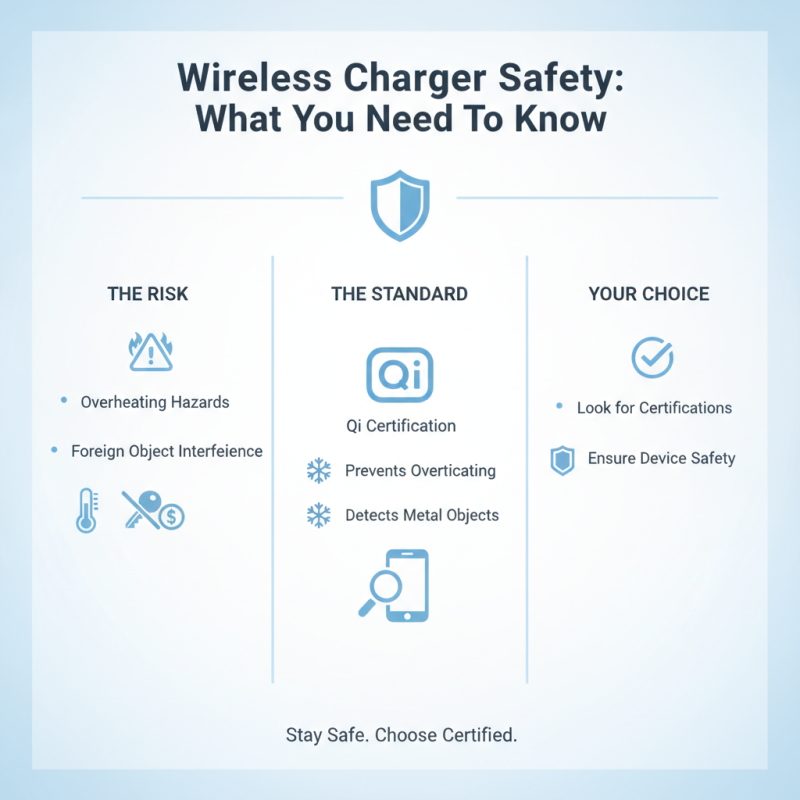
When choosing a magnetic wireless charger, it's crucial to pay attention to safety standards and certifications. Many consumers overlook this aspect, leading to potential hazards. A reliable charger should comply with international safety standards, such as Qi certification. This certification ensures that the device prevents overheating and foreign object interference. Look for chargers that demonstrate adherence to these guidelines.
Additionally, check for certifications like UL or CE. These indicate the charger has undergone rigorous testing. These certifications assure users of the product's safety and efficiency. However, even certified chargers can have failures. Sometimes, the quality of materials used in manufacturing can affect performance. Reviews and user feedback can provide insights on real-world experiences with these products.
Always prioritize chargers made from quality materials. Low-cost options might not be well-tested, leading to safety risks. It's wise to invest in a charger that balances price and reliability. Don't ignore the importance of proper usage, too. Placing the charger on stable surfaces can enhance performance. Ultimately, remain vigilant and informed when selecting a wireless charger, and consider every aspect of safety.