How to Choose the Right Cellphone Charger for Your Needs?
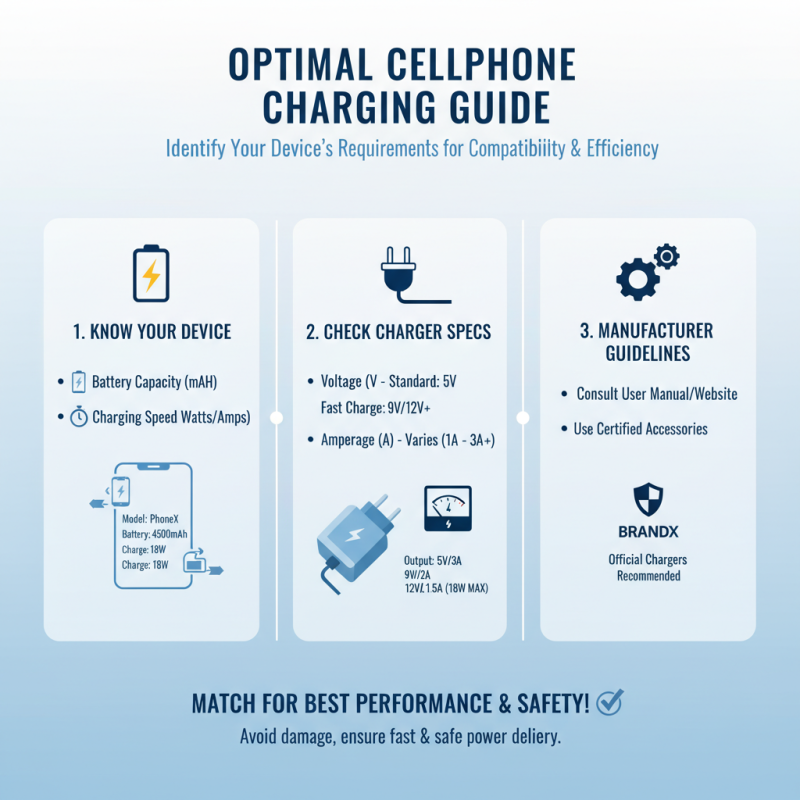
Choosing the right Cellphone Charger can be a challenging task. With numerous options available, understanding your needs is crucial. According to a report by the International Data Corporation (IDC), over 1.5 billion smartphones are sold each year. This signifies a high demand for effective charging solutions. Industry expert, Dr. Emily Chen, emphasizes, “Not every charger is created equal; compatibility and speed matter immensely.”
In today’s fast-paced world, convenience is key. Not all cellphone chargers deliver the same performance or durability. Fast charging technologies can vary greatly between brands. A quality charger can significantly extend battery life and improve user experience. It is vital to consider factors such as wattage, durability, and safety features.
However, choosing the perfect charger often leads to confusion. Many consumers overlook essential details, focusing only on price. Some chargers may look appealing but lack optimal functionality. As technology evolves, so do charging standards. Awareness of these developments is essential for making informed decisions. Your cellphone deserves a charger that meets its specific requirements.
Understanding Different Types of Cellphone Chargers Available
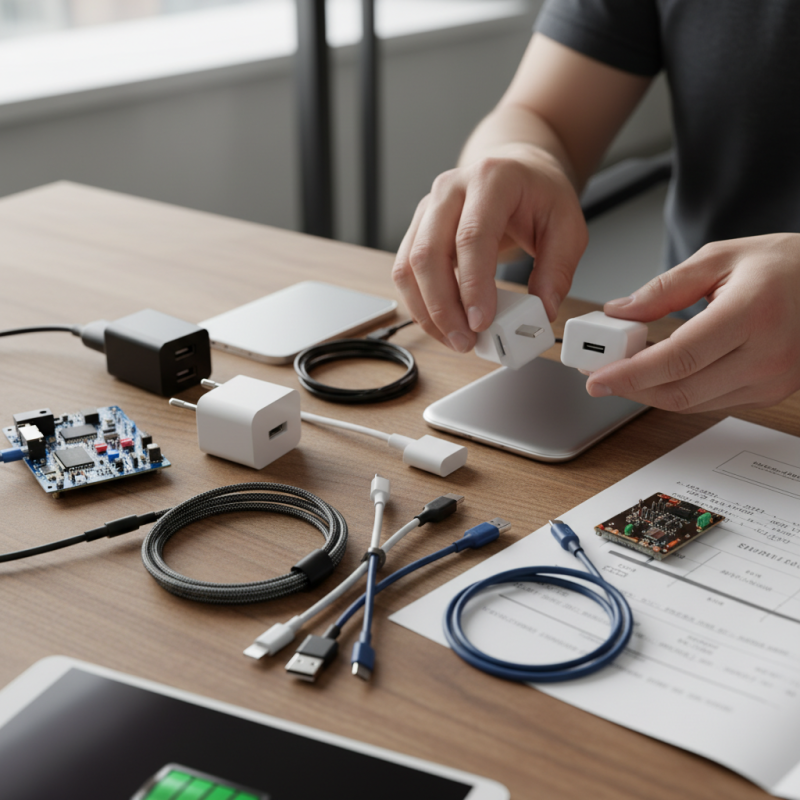
When considering cellphone chargers, it's crucial to understand the different types available. There are wired chargers, which come with various connectors, and portable chargers, also known as power banks. Each has its benefits depending on your lifestyle or travel needs. Wired options tend to charge devices faster. Portability is key if you're on the go.
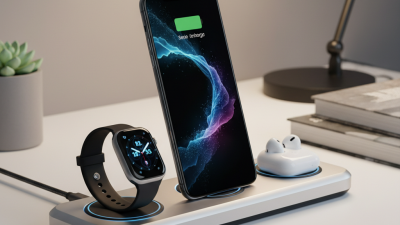
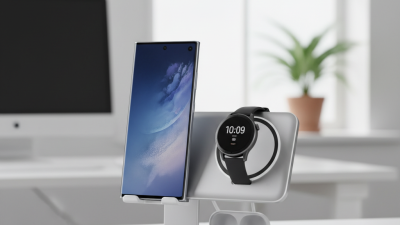
Wireless chargers have gained popularity recently. They offer convenience without tangled cords. However, they often charge slower than wired alternatives. Compatibility is another concern; not all devices support wireless charging. Additionally, some chargers might generate more heat. That can impact battery health over time.
Lastly, fast chargers can be appealing, but caution is needed. Not all devices can handle high wattage safely. Choosing the right charger involves evaluating your device's specifications. Rushing through this choice can lead to underperformance or even damage. Always consider your usage patterns and whether you need multiple chargers for different scenarios.
Evaluating Charging Speed: Watts vs. Amperage Explained
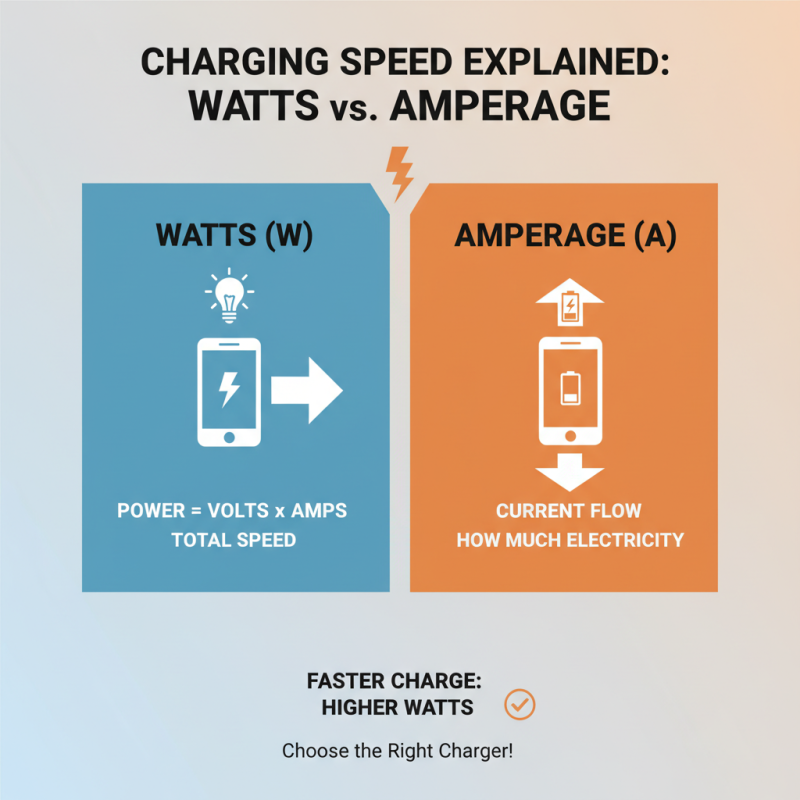
Choosing the right cellphone charger can be tricky. One important aspect to consider is charging speed. When evaluating speed, two key factors come into play: watts and amperage.
Watts indicate the total power delivered to your device. Amperage refers to the flow of electric current. More watts typically mean faster charging. For instance, a charger with higher wattage can supply energy more quickly than a lower-wattage option. However, your device must also support this higher charging speed. Otherwise, you won't experience the benefits.
It's essential to understand how these measurements affect your charging routine. A charger may promise quick results, but if your phone or tablet can’t handle the output, you might end up waiting. Knowing the specifications of both your device and the charger helps avoid this mismatch. Some users rush into buying a high-watt charger without proper knowledge, thinking it's a guaranteed upgrade. This can lead to frustration. Always check compatibility before investing in a new charger.
Considering Portability and Cable Length for Your Lifestyle
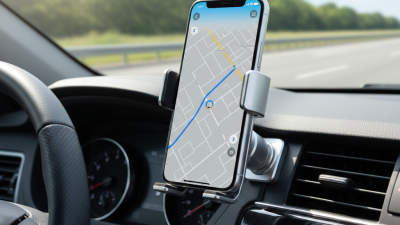
When selecting a cellphone charger, consider portability and cable length. A short cable is great for tight spaces, like in a car or office. However, for home use, a longer cable offers flexibility. You can recharge your phone from the couch or the bed without feeling constrained.
For those with an active lifestyle, lightweight chargers are ideal. Compact chargers fit easily into a bag, while longer cables can tangle, creating frustration. Yet, some people prefer longer cables. They provide convenience for multiple charging locations in a room. Balancing portability with length can be tricky.
Think about your daily routine. If you travel often, opt for a portable charger that fits your bag. However, for home use, a longer cable may be more practical. Remember that your needs might change over time. Reflect on your choices and adjust as necessary. Understanding your unique requirements can lead to better decisions.
How to Choose the Right Cellphone Charger for Your Needs?
| Charger Type |
Portability |
Cable Length |
Charging Speed |
Compatibility |
| Wall Charger |
High (compact design) |
1.5m |
Fast |
Universal |
| Portable Power Bank |
Very High (lightweight) |
N/A |
Moderate |
Multi-device |
| Car Charger |
Medium (fits in cup holder) |
1.2m |
Standard |
Universal |
| Desktop Charger |
Low (stationary) |
2.0m |
Fast |
Universal |
Assessing Safety Features and Brand Reliability in Charger Selection
When choosing a cellphone charger, assess its safety features. Some chargers come with built-in protection against overheating and short-circuiting. These features safeguard your devices and prolong their lifespan.
Tips: Look for chargers that meet safety certification standards. This optional step can boost your peace of mind.
Brand reliability is another crucial factor. Opting for well-reviewed brands can lead to better performance. Research customer feedback to gauge reliability. Some popular brands tend to have more consistent quality, though this is not always the case.
Tips: Read recent user reviews. This can reveal hidden issues or concerns that the manufacturer may not disclose. Always question if the brand has a solid reputation in the market.
Remember, even established brands can fail to deliver sometimes. Stay informed and be willing to switch if necessary. A good charger should enhance your experience, not complicate it.
Cellphone Charger Safety Features and Brand Reliability